
Euler's Eyes
2026-10-10
The life of Carl Friedrich Gauss
Timeline
- 1777Born on 30 April, in Braunschweig, son of a gardener and bricklayer.
- 1786Around 9 years, sum of 1 to 100 in seconds at school.
- 1791Duke Carl Wilhelm Ferdinand starts paying for his studies.
- 1795Enter the University of Göttingen.
- 1796In March 30, discover how to construct the regular polygon with 17 sides. Start your math journal.
- 1799Doctorate from Helmstedt, with proof of the fundamental theorem of algebra.
- 1801Publishes the Disquisitiones Arithmeticae and calculates the orbit of the dwarf planet Ceres.
- 1807He became director of the Göttingen Observatory, where he remained until his death.
- 1809Publishes the Theoria motus, with the least squares method and the normal curve.
- 1818Start measuring the Kingdom of Hannover with triangles. In 1821 he invents the heliotrope.
- 1827Publishes the Theorema Egregium, on the curvature of surfaces.
- 1833With Wilhelm Weber, he set up one of the first electric telegraphs.
- 1855Dies on 23 February, in Göttingen.
- The son of a gardener and bricklayer, he adds 1 to 100 in seconds at school. Duke Carl Wilhelm Ferdinand starts paying for his studies.
- He studies at the university. On 30 March 1796 he discovers how to construct the regular 17-gon and begins his diary.
- He takes his doctorate with a proof of the fundamental theorem of algebra.
- He publishes the Disquisitiones Arithmeticae (1801) and computes the orbit of Ceres. Here he receives the letters of “Monsieur Le Blanc”.
- He directs the observatory for almost fifty years. He surveys the Kingdom of Hanover with triangles, publishes the Theorema Egregium and builds a telegraph with Weber. He dies in 1855.
Gauss’s life
The boy from Braunschweig
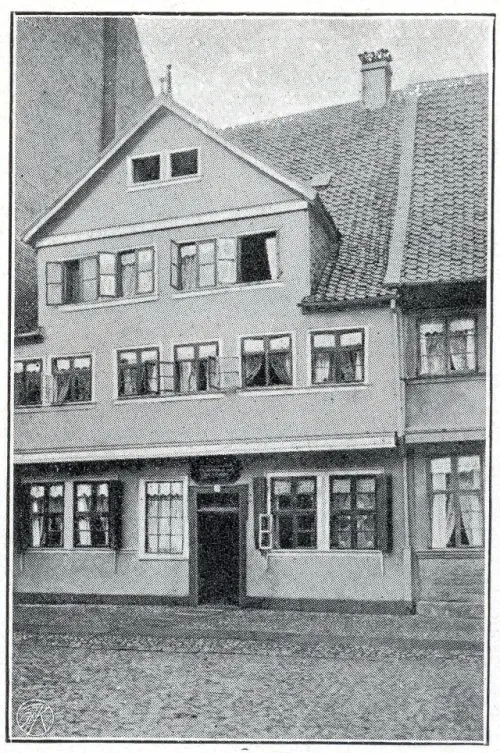
Gauss was born in Braunschweig, in northern Germany, into a family without money and without education. The father, Gebhard, worked as a gardener, bricklayer and construction foreman. His mother, Dorothea, could barely read, but He defended his son tooth and nail.
It is said, by Gauss himself, now elderly, that at 3 years old he accompanied his father doing the math. payment of the workers and corrected it: the sum was wrong. He liked to say he learned to count before learning to speak.
At school, teacher J. G. Büttner immediately noticed the boy’s talent (see the story of the sum of 1 to 100 later). His assistant, Martin Bartels, aged 17, went on to study mathematics alongside Gauss. Years later, Bartels was a teacher in Kazan, Russia, where he taught the young Lobachevsky, another important name in this story.
The Duke and the Choice of Mathematics
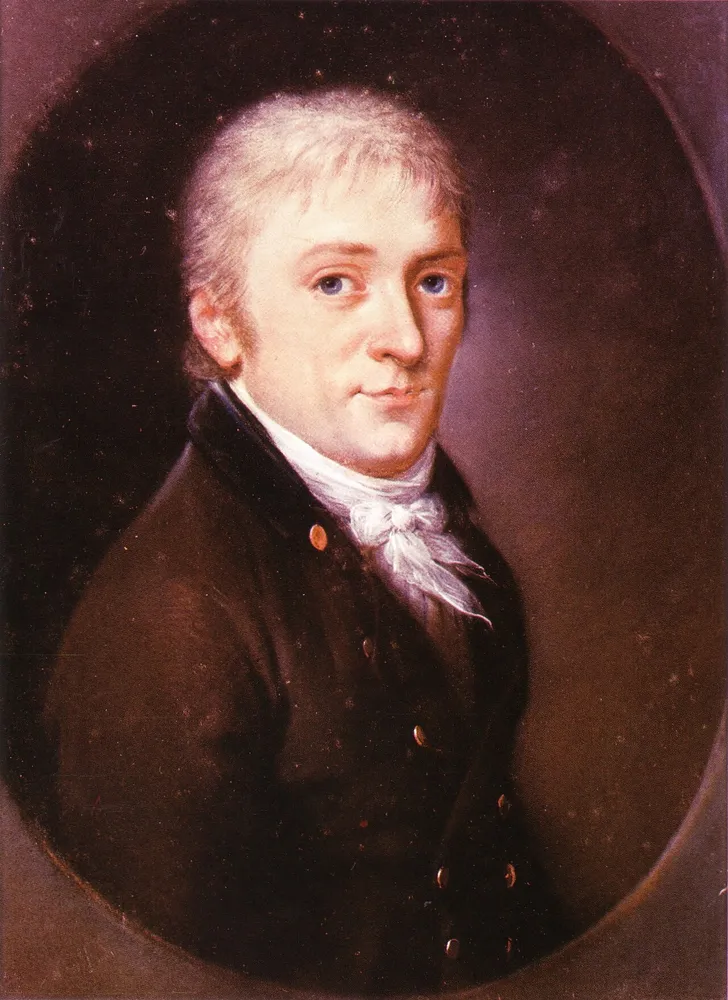
At 14 years old, Gauss was introduced to the Duke of Brunswick, Carl Wilhelm Ferdinand, who was so impressed that he started paying for all his studies. Gauss studied at the Collegium Carolinum and, in 1795, entered the University of Göttingen.
He was torn between mathematics and ancient languages, which he also loved. The doubt ended in 30 March 1796, when he discovered how to construct a regular polygon with a ruler and compass of 17 sides, something no one had achieved in 2000 years. That day he started a mathematical diary, which had 146 short notes until 1814. The first is about the polygon.

1801: the magical year
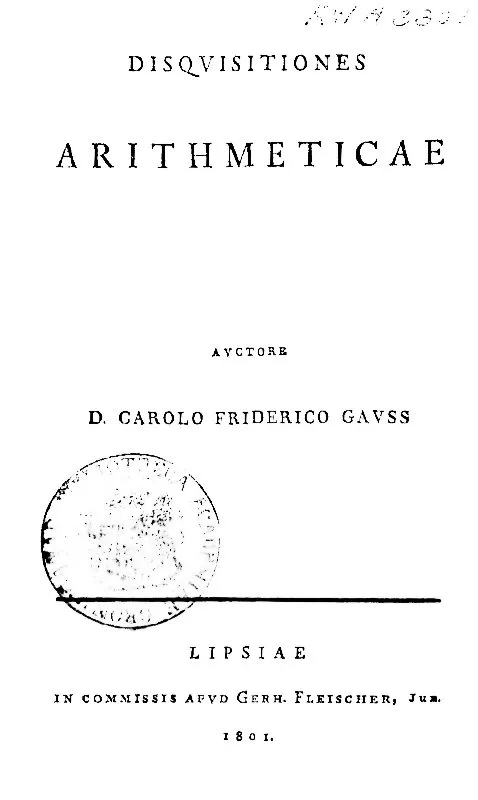
In 1801, at the 24 age, Gauss published the Disquisitiones Arithmeticae (Arithmetic Investigations), written when he was 21. The book organized number theory as an area of mathematics and introduced the congruence notation, $a \equiv b \pmod{n}$, which we still use today.
In the same year, he became famous throughout Europe for another reason: he calculated where the dwarf planet would be Ceres, which astronomers had lost sight of. We will see this story in discovery 6.
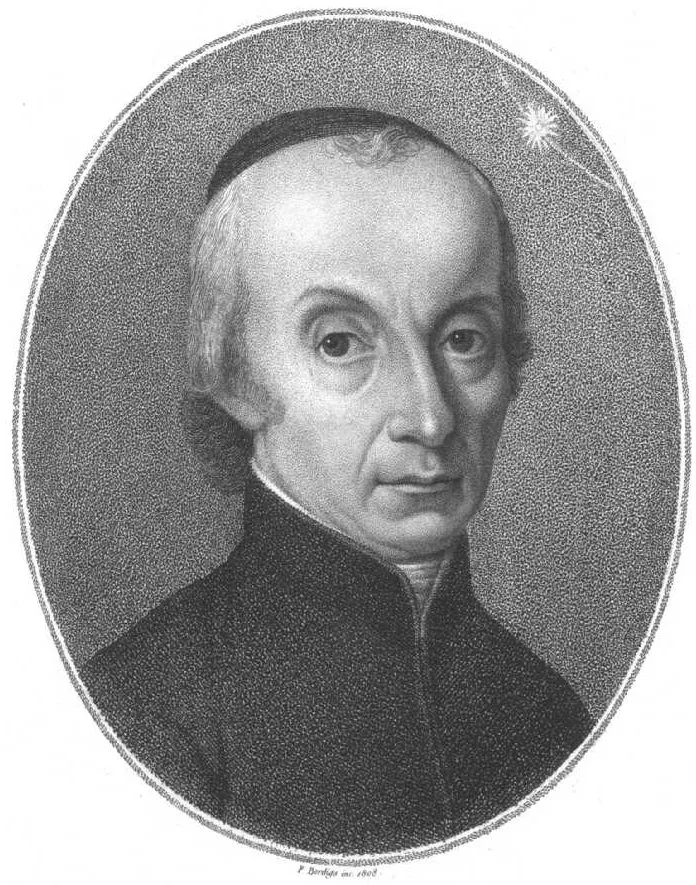
In 1805 Gauss married Johanna Osthoff, with whom he had three children. He wrote to a friend that life It seemed to him “an eternal spring”. Johanna died in 1809, shortly after giving birth to her third child. No The following year, Gauss married Minna Waldeck, a friend of his first wife.
Sophie Germain, the secret friend
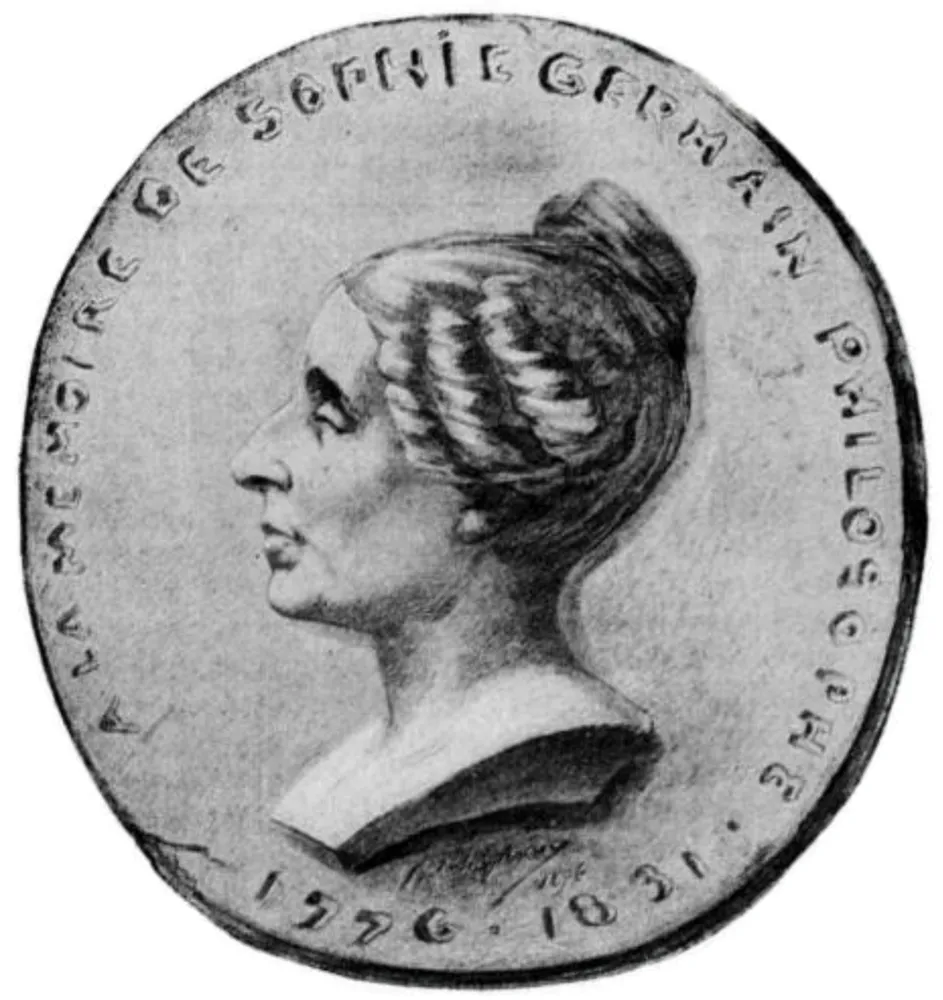
In 1804, Gauss began receiving excellent letters on number theory signed by one Monsieur Le Blanc. It was the French mathematician Sophie Germain, who used a masculine name because Women were not taken seriously in gyms.
In 1806, Napoleon’s troops occupied Braunschweig. Sophie remembered Archimedes, killed by a Roman soldier, and asked a French general friend of the family to guarantee Gauss’s safety. It was That’s how Gauss discovered who Le Blanc was. He responded with admiration: if a woman had won so many obstacles to get so far, he must have had “the noblest courage” and superior talent.
The Hannover observatory and measurement
In 1806 the Duke died in battle, and Gauss lost his protector. The following year he was appointed director of the Göttingen Observatory, a position he held for almost 50 years. He was a reluctant teacher: he preferred research and teach.
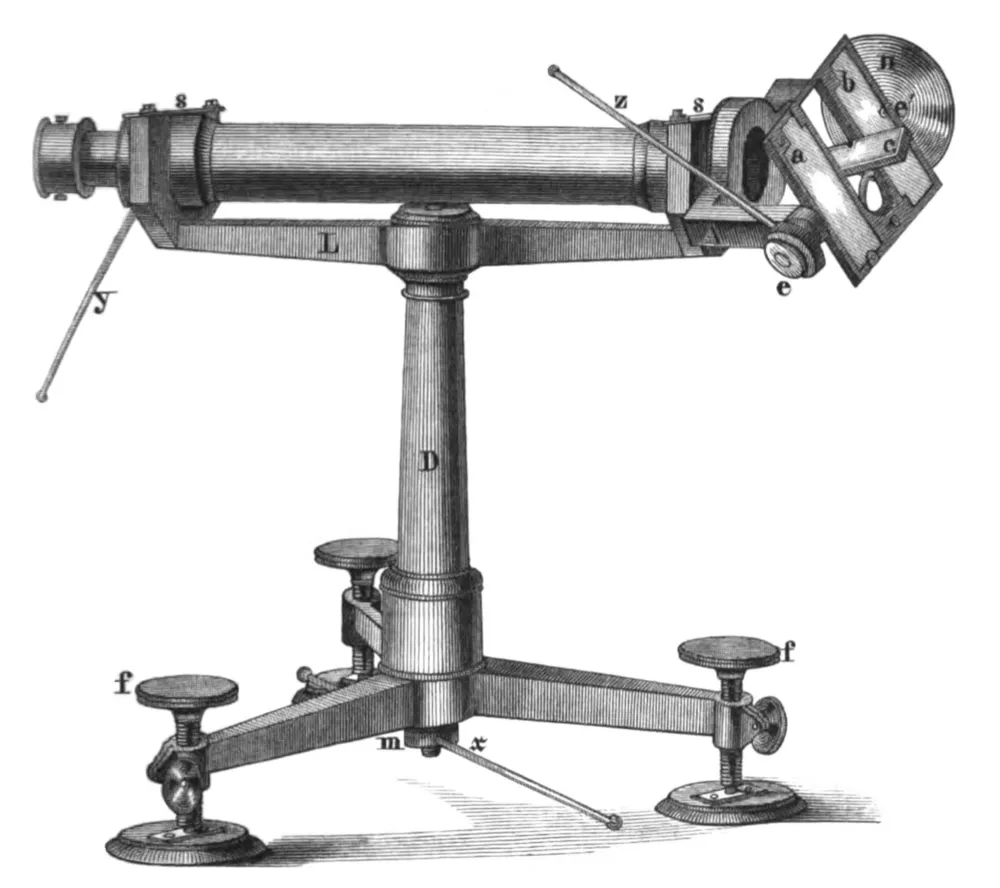
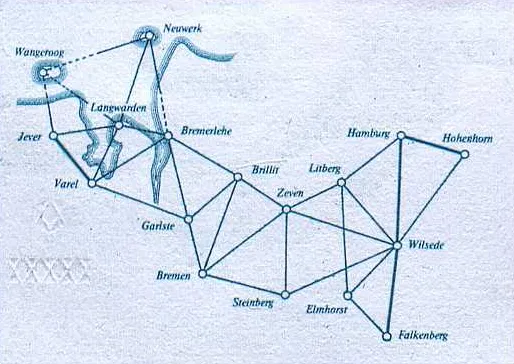
Between 1818 and 1832, Gauss commanded the geographical measurement of the Kingdom of Hannover. The method was to triangulation: measuring the angles of a network of triangles between towers and mountains and calculating the distances. To see very distant points, he invented the heliotrope, a mirror that reflected the sunlight to the other vertex of the triangle.
The telegraph and recent years
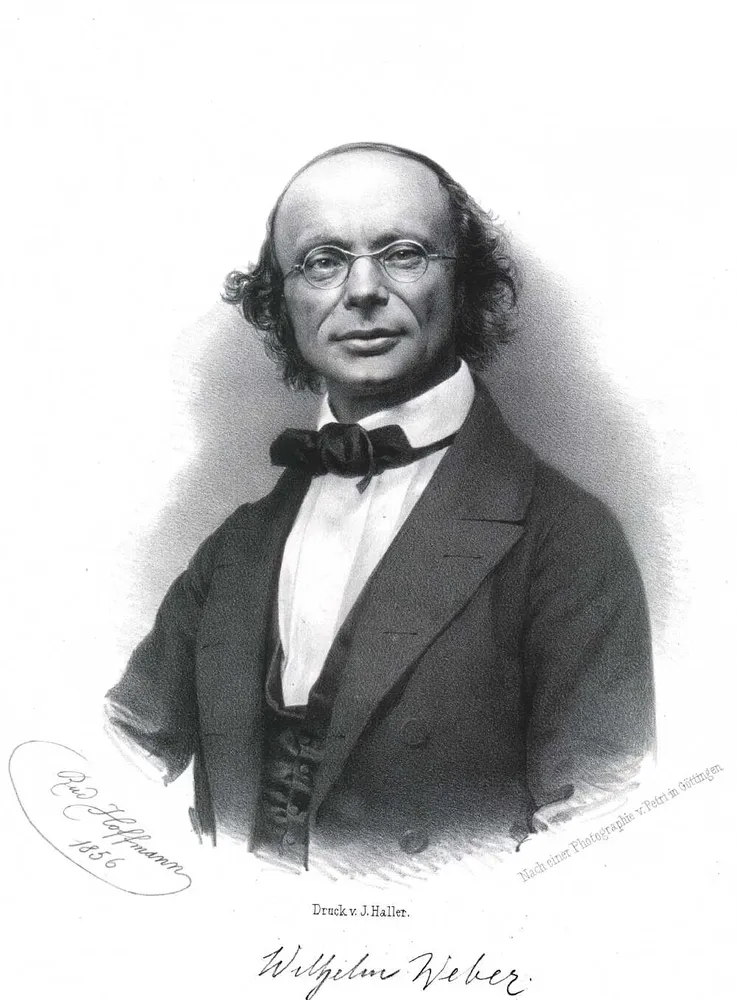
In 1831 the young physicist Wilhelm Weber arrived in Göttingen. Together, the two studied the magnetism of Earth and, in 1833, they extended a wire of about 1 km over the city’s roofs, connecting the observatory to the physics laboratory. Through it, they exchanged messages with electrical pulses: one of the first electrical telegraphs in the world. The gauss magnetic field unit pays homage to this work.
Gauss published little and only what was perfect. His motto was pauca sed matura, “few, but mature.” That’s why many of his ideas were only known after his death, in 23 February 1855, in Göttingen.