
Euler's Eyes
2026-10-11
Segments and straight lines in everyday life
Before being objects of theorems, lines and segments were work tools: stretched strings, rulers and plumb lines.
Who discovered
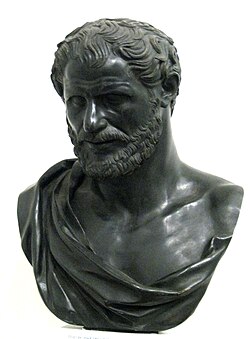
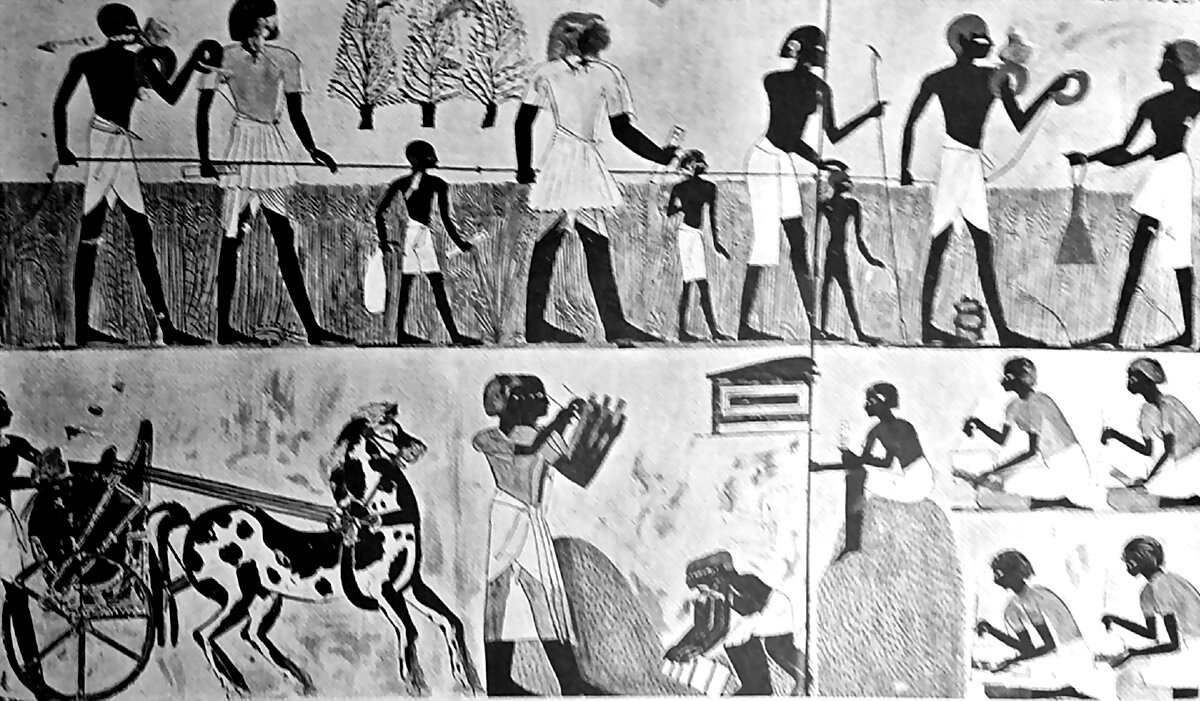
No one in particular: the first straight lines were drawn by farmers, builders and surveyors from civilizations such as Egypt and Mesopotamia. The Greek texts called harpedonaptai, “rope stretchers”, the Egyptian experts in measuring land; the term appears in a fragment attributed to Democritus (5th century BC). In Rome, surveyors used the groma, a cross with plumb lines, to lay out straight roads and plots.
The story
A tightly stretched rope is the simplest way to produce a straight line on the floor. With two stakes and a rope, builders aligned walls, irrigation canals and land boundaries. The Giza pyramids have sides aligned with the cardinal points with an error of a fraction of a degree, the result of observation and alignment techniques.
Roman roads followed long straight stretches laid out with groma; some still serve as the basis for European highways. The same principle is in the mason’s lines used today in any work.
In everyday life
- Mason’s line and plumb line. The stretched string marks the alignment of the rows of bricks; the plumb line gives the vertical.
- Staff, grids and tables. Notebooks, spreadsheets and calendars are organized by parallel and perpendicular segments.
- City maps. Straight streets and regular blocks, like in the center of Belo Horizonte or La Plata, make it easier to find your way around.
- Sports. Lines of the football field, volleyball court and swimming pool lanes are segments with official measurements.
Sources: Egyptian mathematics (MacTutor) · Democritus (MacTutor).
Theory and constructions


A preview: positions of two straight lines
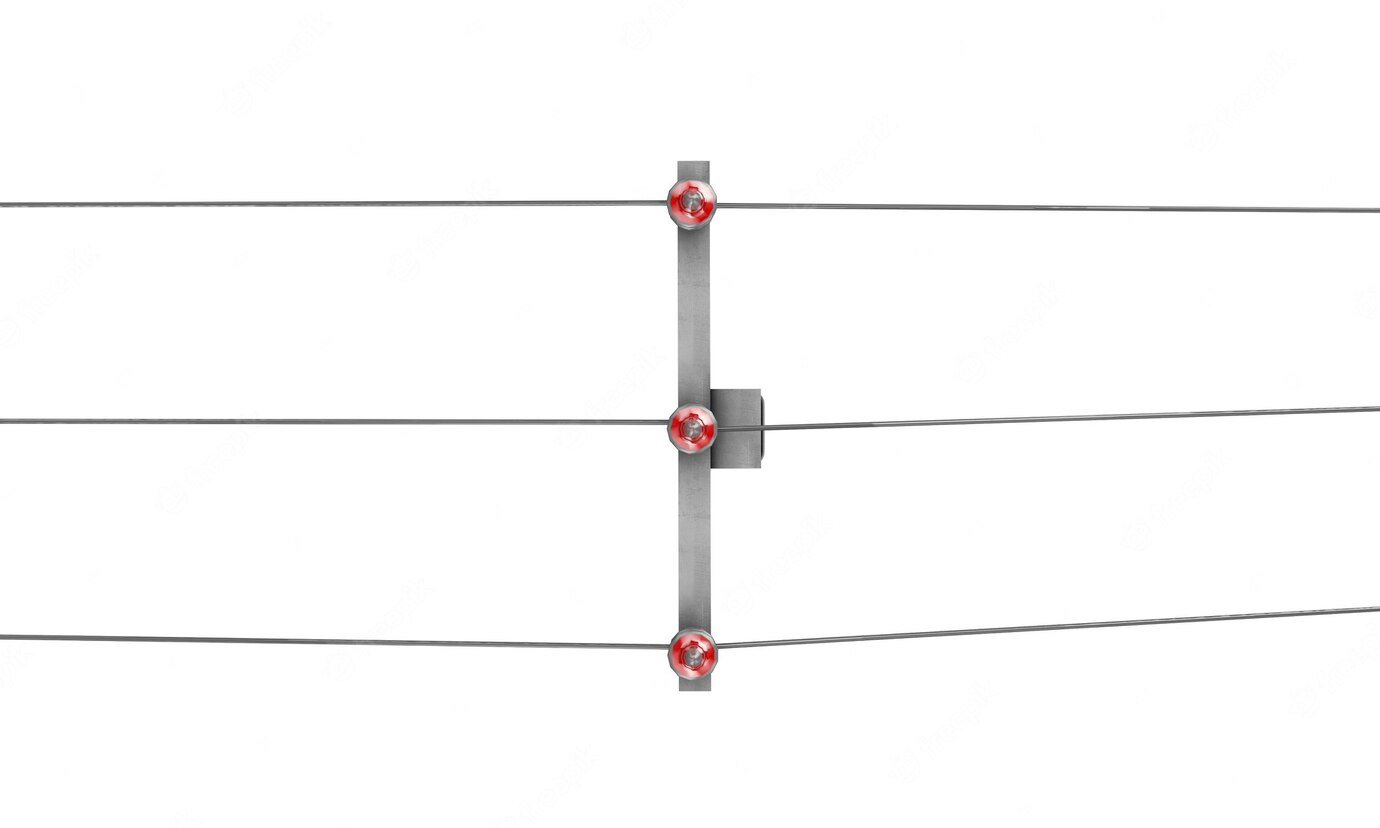
The next chapters carefully study what happens when two straight lines meet. To advance: two straight lines in a plane can be concurrent (a common point), parallel (no common point), coincident (all common points) and, among the competitors, perpendicular (form right angles). Drag the balls to see each case.