
Euler's Eyes
2022-07-05
Introduction to Geometry
A walk through the city of shapes


Introduction
The Greeks of ancient civilization were one of the most famous populations in the art of thought. They were responsible for the golden age in philosophical, scientific, political, social and artistic ideals and had a decisive influence on the Western world.
The definition of geometry is a Greek concept that comes from meters (measure) and geo (earth), more specifically measuring the Earth. The Greeks were the first to use the concept of geometry, used more rigorously than in other civilizations, such as the Egyptians, Babylonians, among others.
Egyptians and other civilizations studied geometry to distribute fertile land, build houses, are some examples of geometric applications. Of the main Greeks who were very important in contributing to geometry, we can mention Euclid, Pythagoras, Archimedes and Apollonius. The best-known work from this time is The Elements by Euclid (around 500 BC), which explains the geometry of flat shapes, circles, quadrilaterals, triangles, among others. In this work he cites Thales of Miletus as the main person responsible for introducing Geometry in Greece, based on research into studies on Egyptian works.
Geometry Schools
In this post specifically we will talk about the mathematics developed during this period. Before the philosophical and deductive thoughts of mathematics, people such as the Egyptians, Sumerians, Hindus and Persians investigated numbers and geometric shapes without as much rigor as the Greeks. This splendid people were the first to use a deductive science, with definitions, postulates, axioms and theorems.
There were two schools:
- Pythagorean, named after Pythagoras of Samos;
- Platonic, named after Plato.
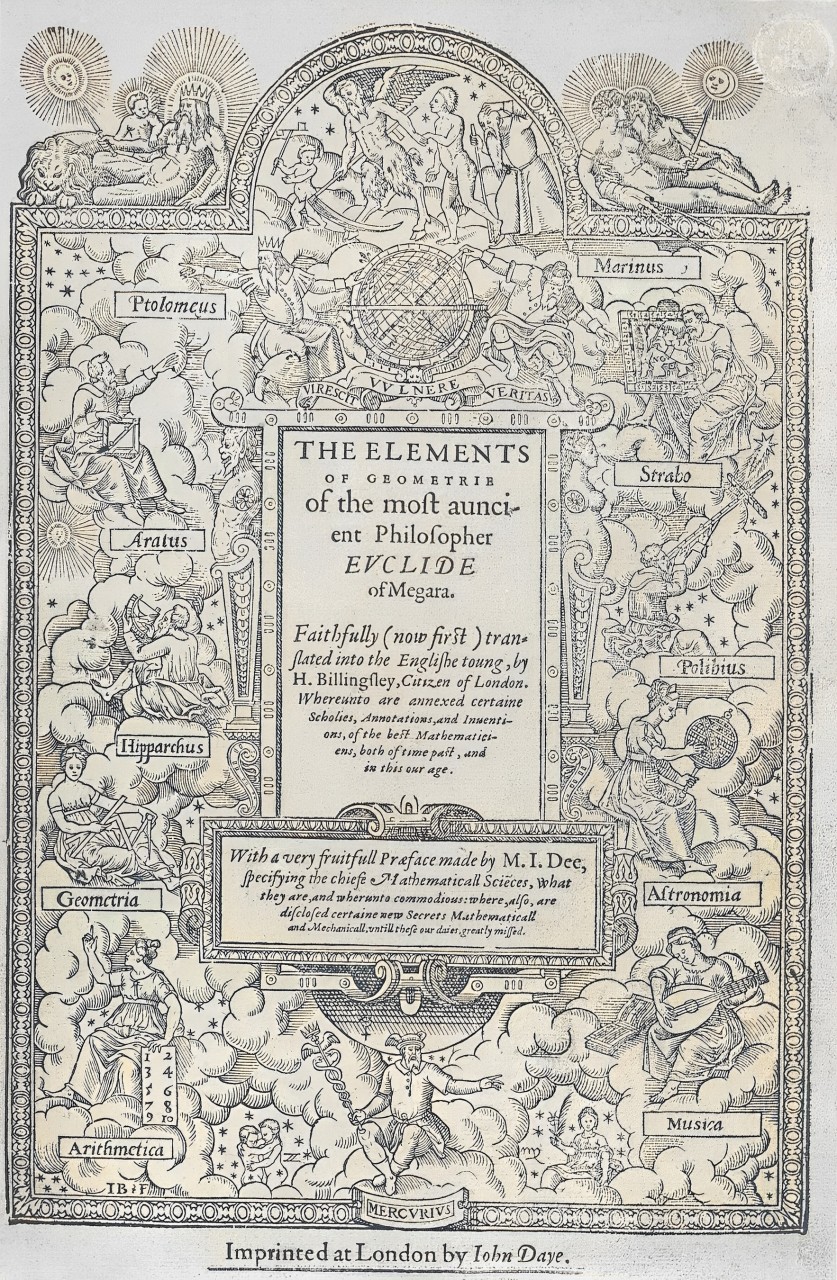
These schools were dedicated to the study of figures and numbers using methods of analysis and deduction. The most important works from this time are set out in the collection Elements written by Euclid in Alexandria around 300 BC. W.
| Elements - Euclid of Alexandria |
|---|
|
Help us build the math website. Donate as much as you can.

Historical Fragments
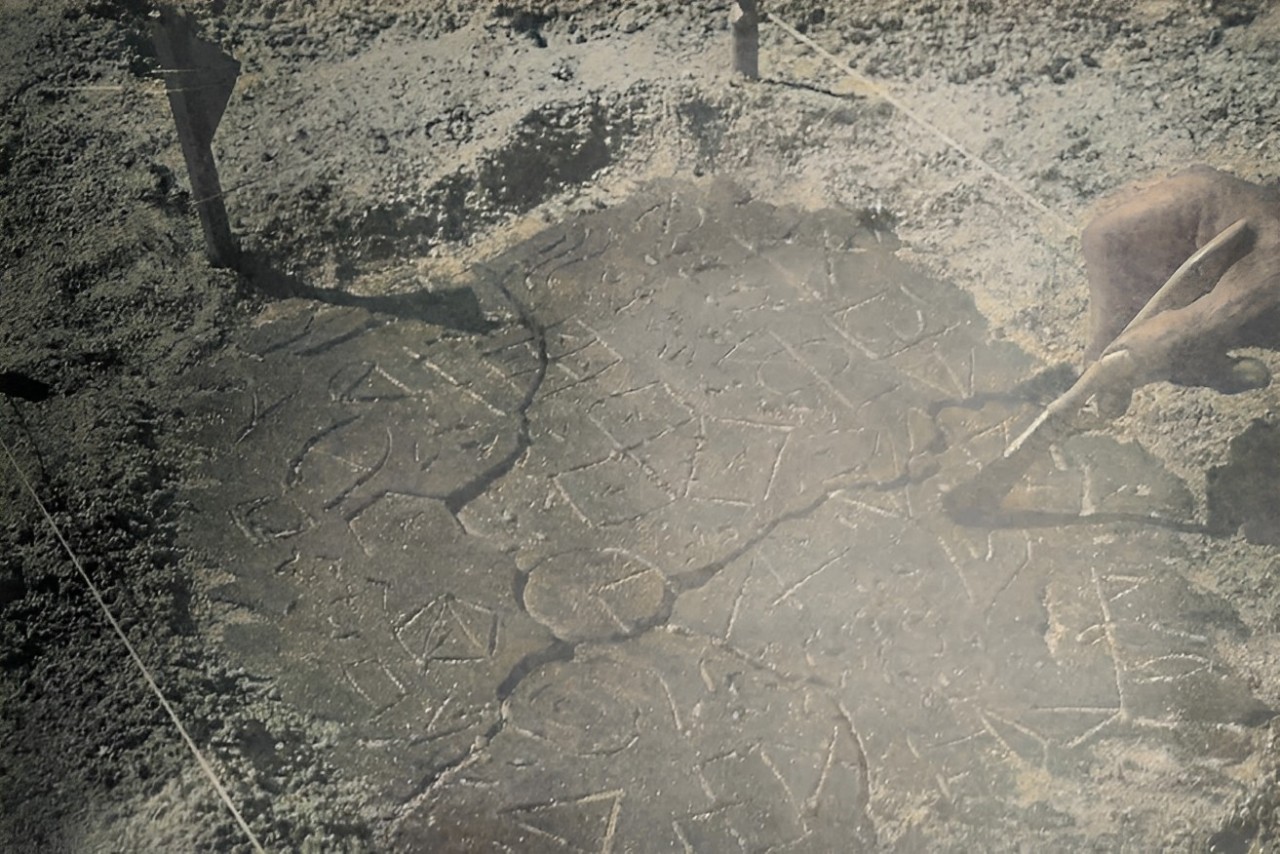
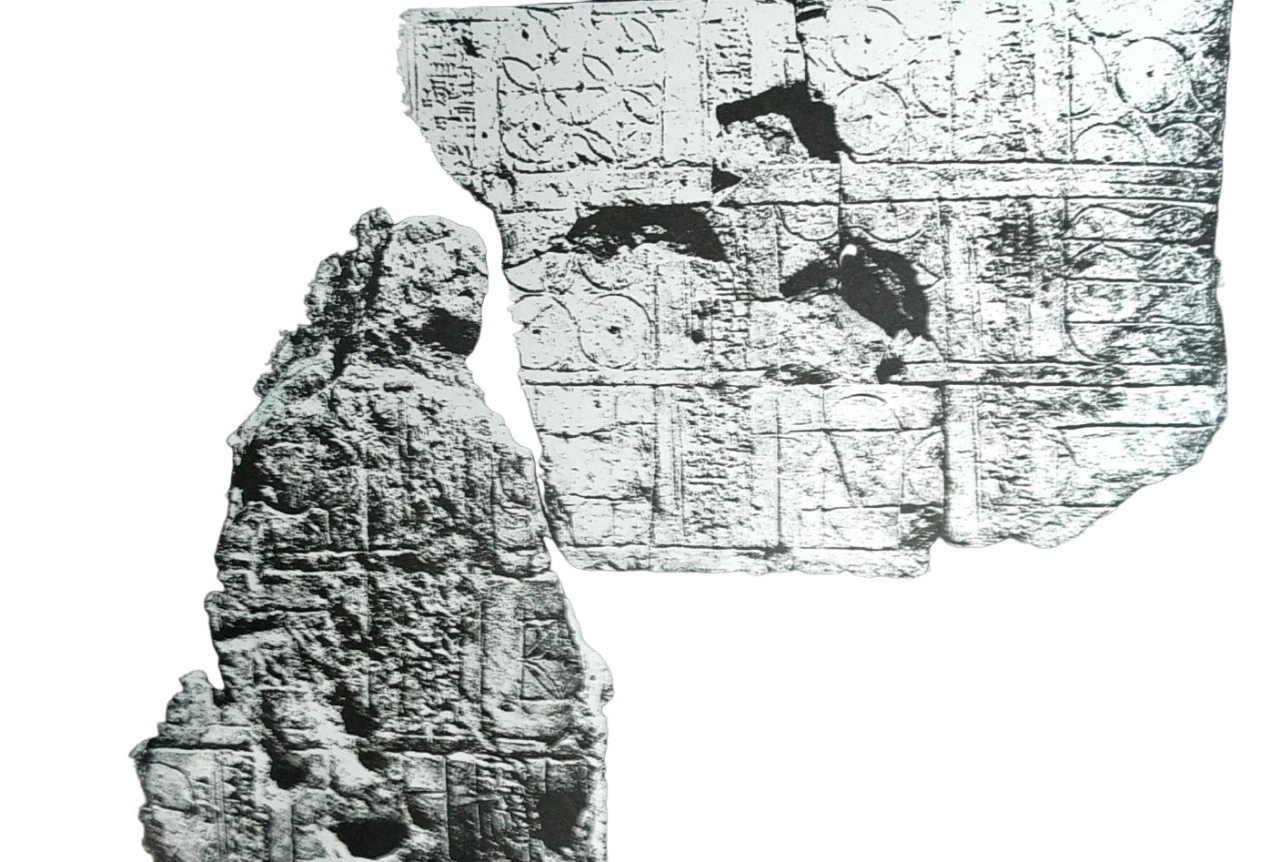
Archaeologists have discovered several fragments from the study of geometry. In Iraq, for example, excavations brought back several fragments, in which show that the study of geometry dates back many years. The use of archeology shows the use of exact sciences in Chinese, Inca, Egyptian, Mayan, Aztec, Hellenic civilizations, among others.
Agriculture and use of Geometry
According to Yuval Harari, homo sapiens began the process of sedentary lifestyle, in which they, previously nomads, began to become sedentary. With this, agriculture emerged and the need for organization among them. With the formation of civilizations, the formation of groups made it necessary to plan the production of their lands to anticipate the abundance or scarcity of their groups. The greatest example of the application of exact sciences in agriculture can be seen in Egypt.
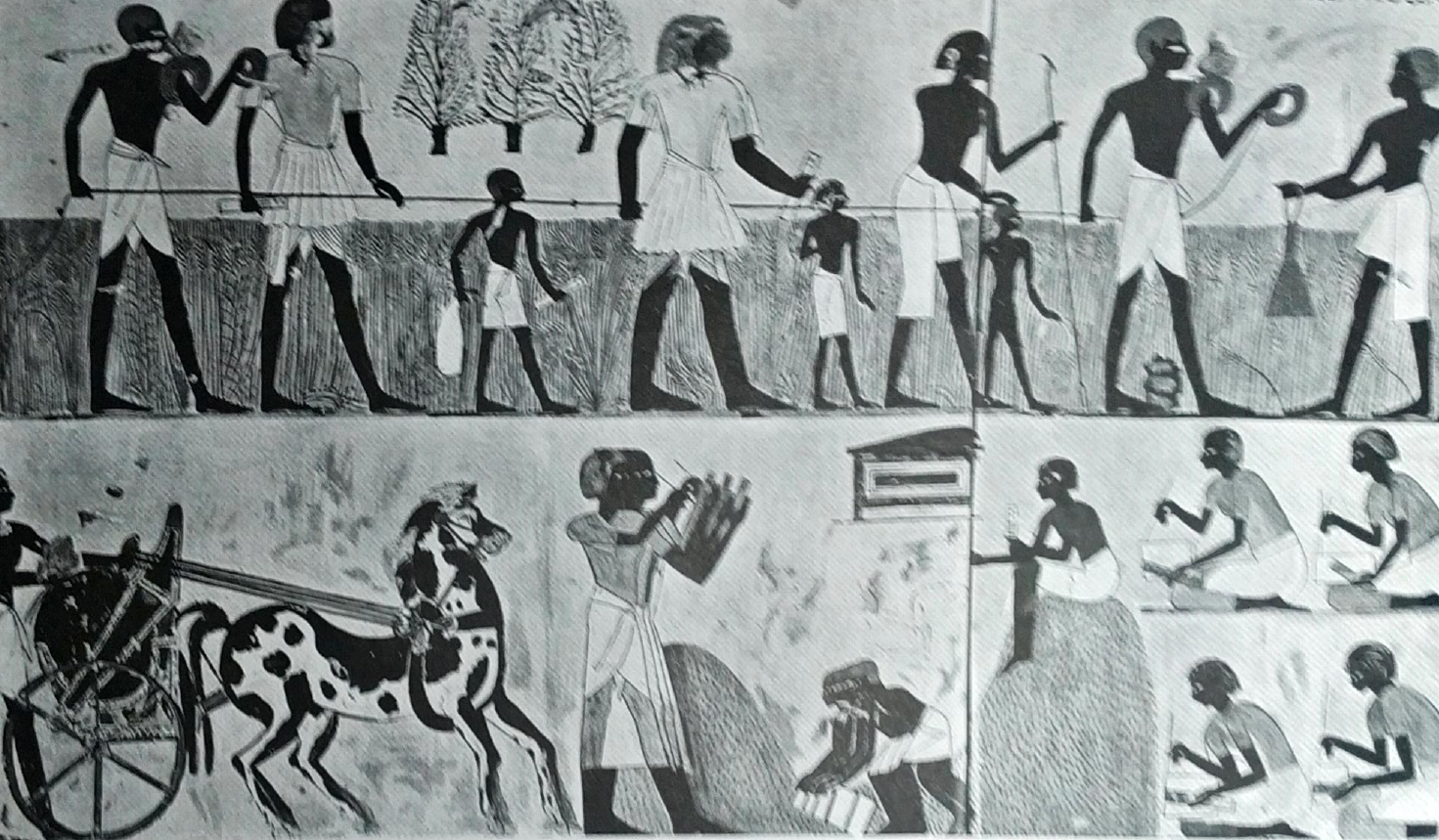
They were the first to apply the concept of measuring, adding, dividing, radiating, predicting, writing, etc. In this way, the following professionals emerged:
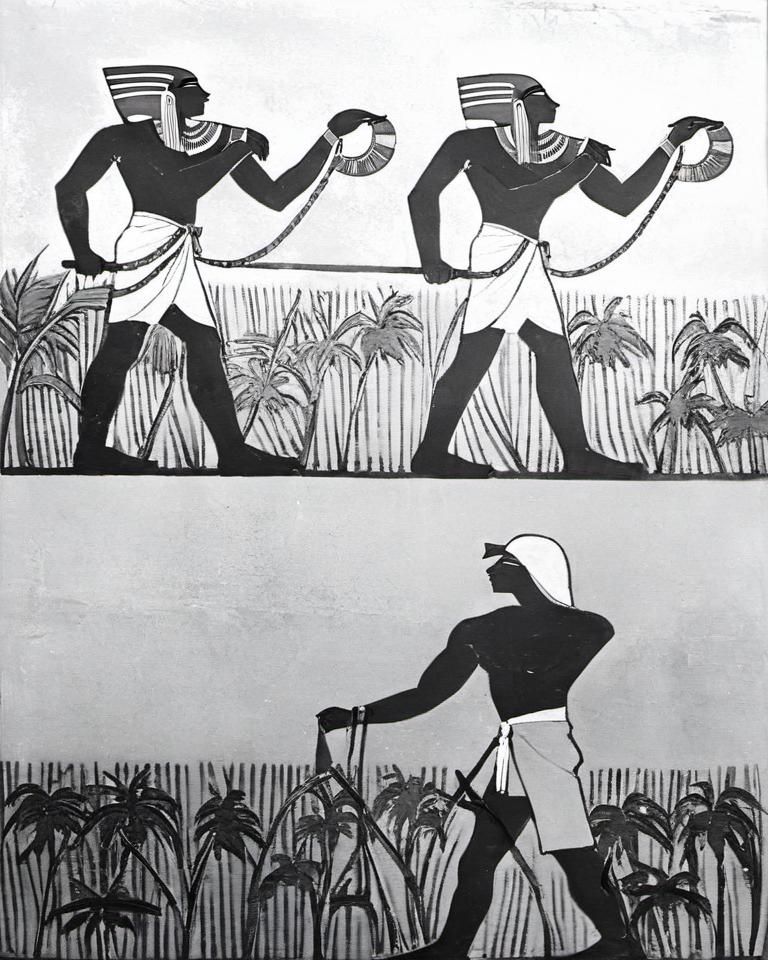
- Rope Professional;
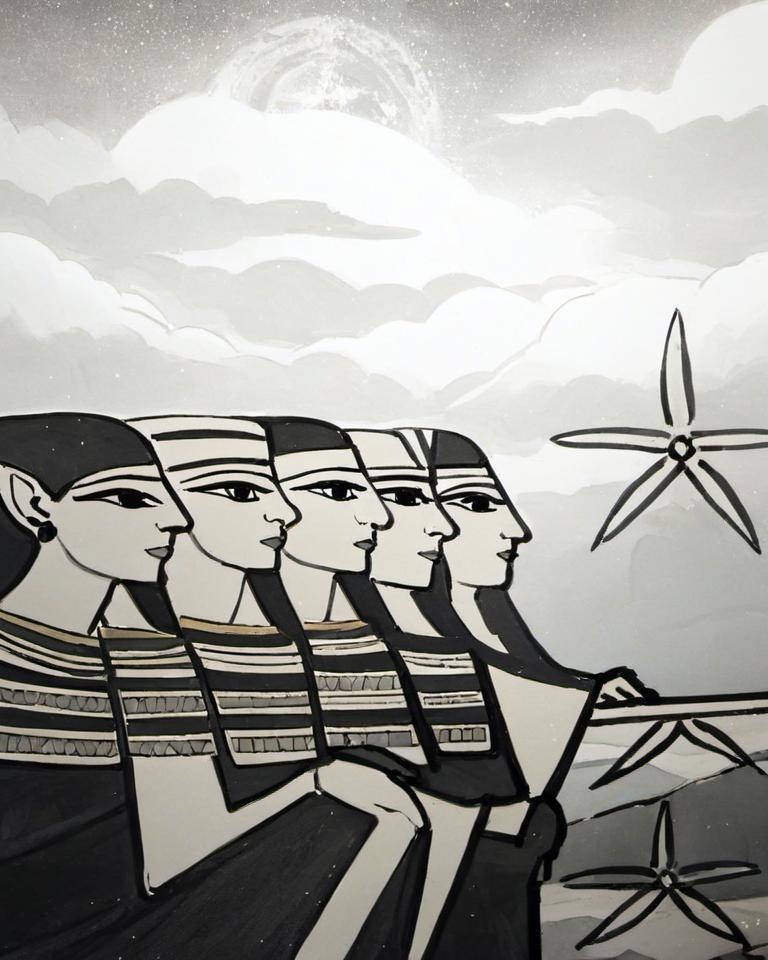
- Climate Professional;
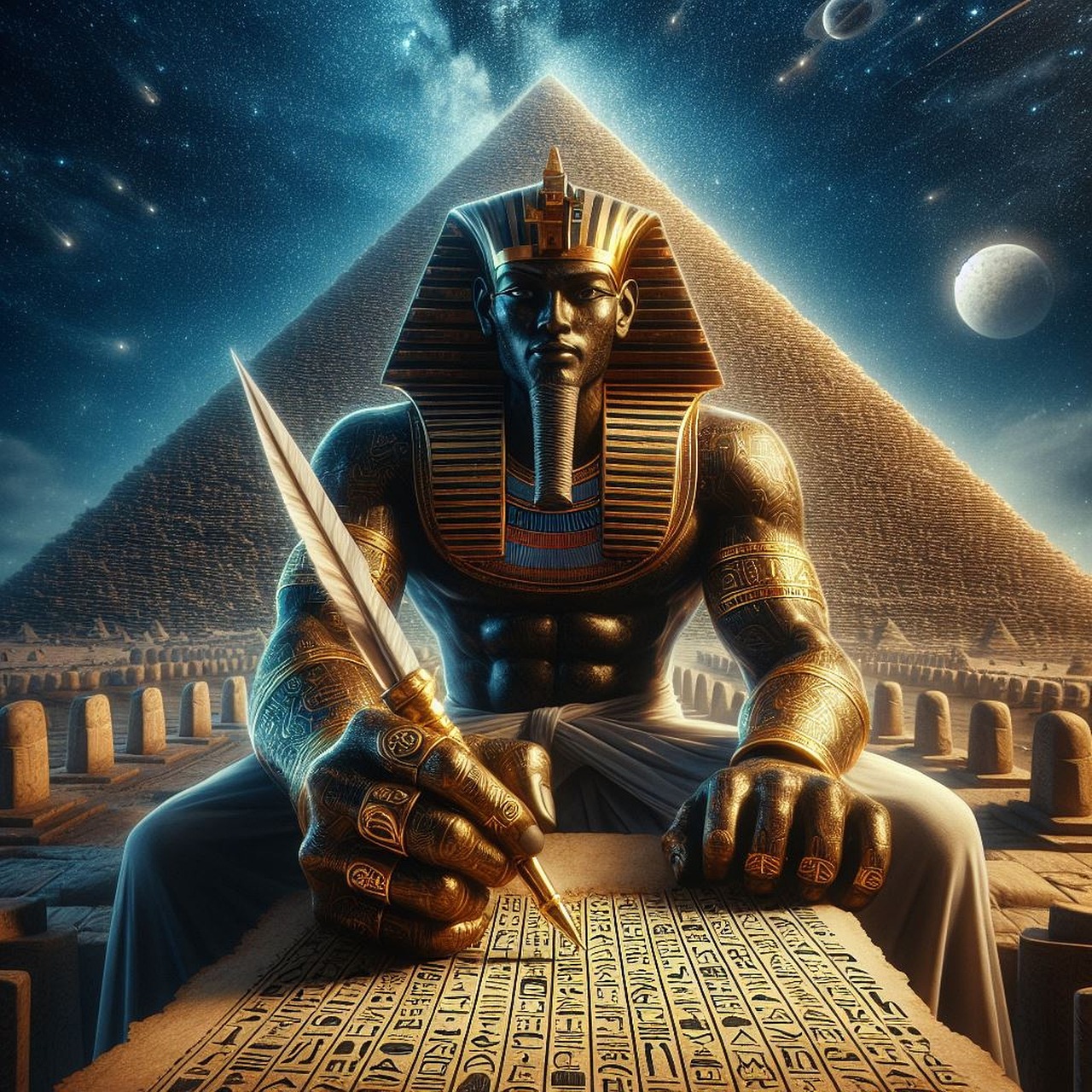
- Writing Professional;
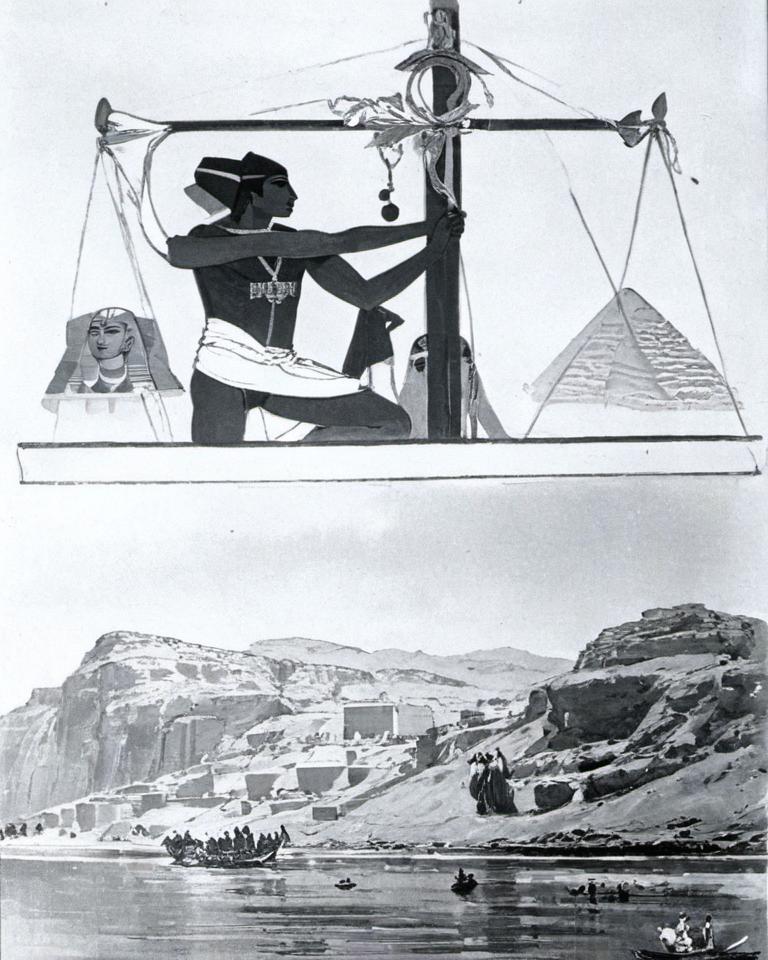
- Scale Professional;
| Rope Professional | Climate Professional |
|---|---|
|
|
| Writing Professional | Scale Professional |
|---|---|
|
|
Given this, the Corda professional began the concept of measuring, as they measured the planted land. Writing professionals began to have fundamental role, as they saw the need to use calendar concepts, tax collection, trade regulation, among others. Already the weather professionals tried to predict the climate to guide planting. Therefore, the storage of this knowledge was fundamental to the clusters, which we know today as urban and rural society.
Straight
In The Elements, as previously stated, Euclid was one of the first to treat geometry with principles such as axioms and postulates. To define straight lines, we can cite 2 axioms stated by Euclid:
- We can draw a single straight line connecting any two distinct points.
- We can continue any line segment in only one way.
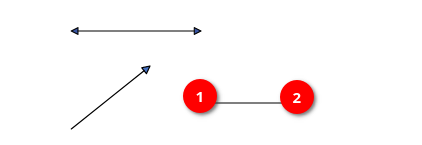
Classification of straight lines
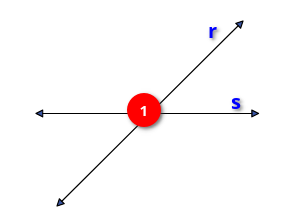
- Concurrent Lines: when the lines r and s are crossed at one point.
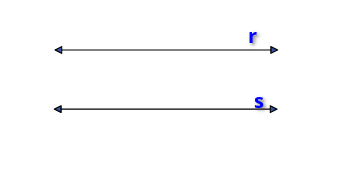
- Parallel Lines: when the lines r and s are positioned side by side in any direction and are not crossed at any point.
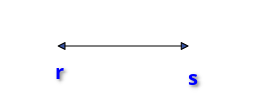
- Coincident Lines: when the lines r and s coincide (“One on top of the other”).
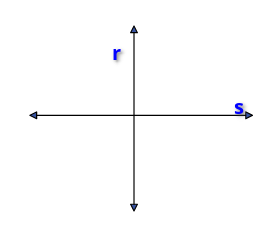
- Perpendicular Lines: when the lines r and s are perpendicular, when the lines are crossed horizontally and vertically. As we do not define angles, we will not mention the angle property of perpendicular lines.
Here a small introduction to geometry was made using natural numbers only. Next, let’s talk about quadrilaterals.