
Euler's Eyes
2022-09-01
Measure
Read a measurement with your reference
The chart below uses degrees Celsius. Change a temperature from −2 to 3 and describe the rise.
Em telas pequenas, deslize o gráfico na horizontal para ler os detalhes.
Temperatures on the move
Choose a starting point and variation. Interpret the result as a change in temperature, in degrees.
Em telas pequenas, deslize o gráfico na horizontal para ler os detalhes.
Trade exchanges are fundamental to the economy of many countries around the world. In certain segments, measurement is essential for these commercial exchanges.

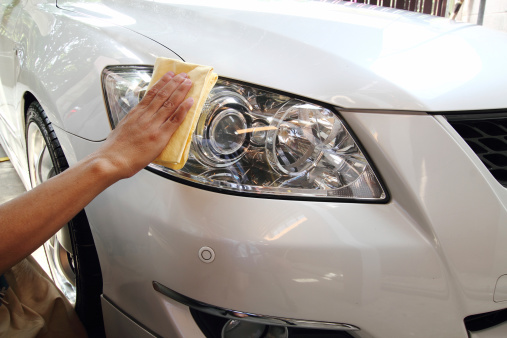
For example, if you produce a car headlight, this product must be able to be mounted on any car produced in the world. If the headlight measurement is not compatible, the automobile company will not buy this headlight.
International System of Units
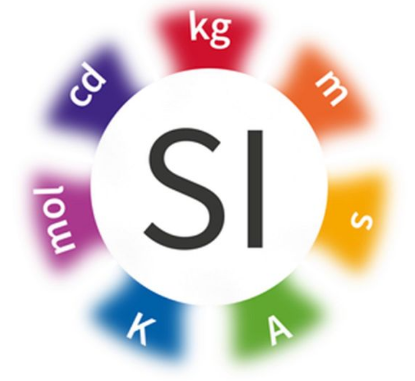
To allow commercial exchanges with globalization, the international system of units (SI (International System of Units)) emerged, which is regulated by the BIPM (Bureau International des Poids et Measures). It establishes the main units of measurement and constants used in physics.
Impa Portal: Units of Measurement System
Each country follows this standard, for example:
| INMETRO | NIST | NMIJ |
|---|---|---|

|

|
|
- in Brazil we have INMETRO (National Institute of Metrology, Quality and Technology),
- in the USA we have NIST (National Institute of Standards and Technology)),
- already in Japan NMIJ (National Metrology Institute of Japan),
- so on.
The purpose of a measurement is to determine the value of the act of measuring.
Measure Length
The official SI (International System of Units) unit is the meter, but there are other types of length units, for example:
- inch
- span
- foot
- yard
- league
- mile
- light year
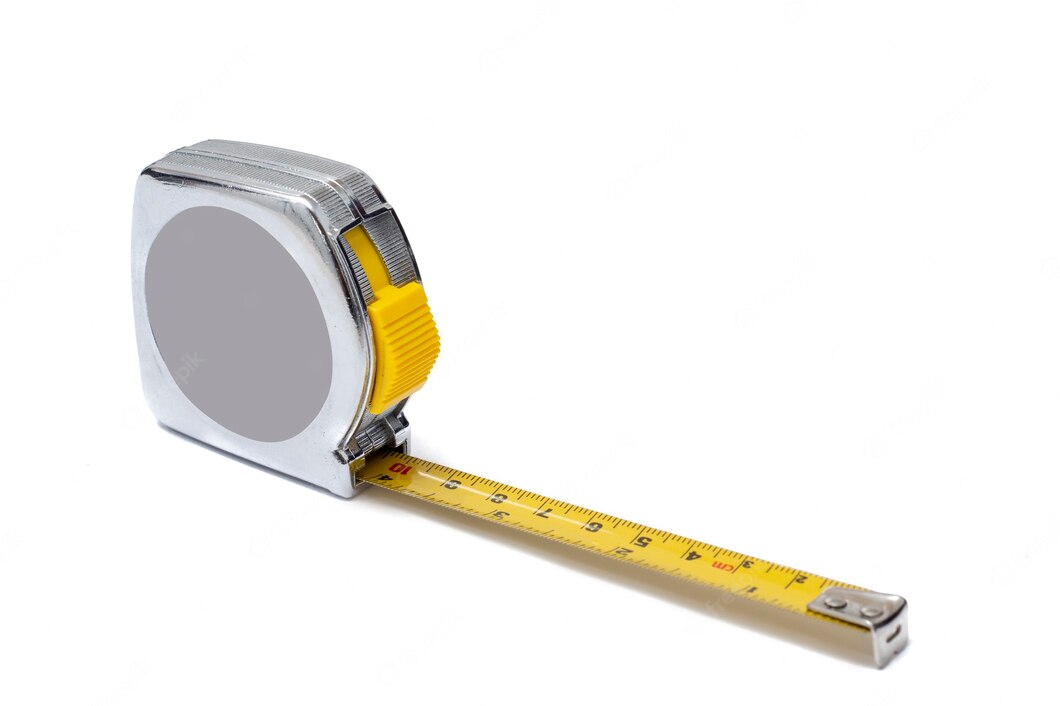
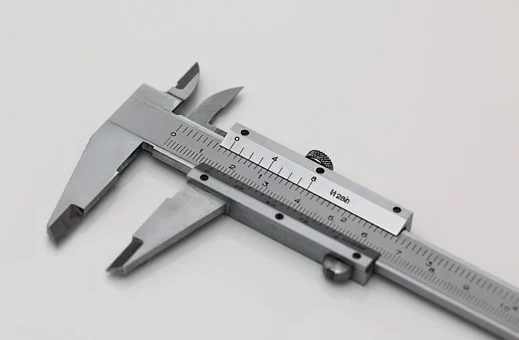
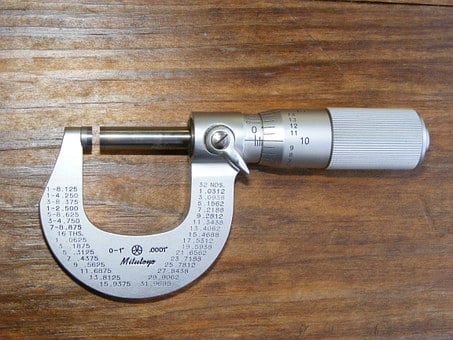
For this type of measurement, there are several measuring instruments such as:
| measuring tape | Caliper | Micrometer |
|---|---|---|
|
|
|
Measurement conversion
From the potentiation post, we learned about powers of 10 and can use it to convert units.
| Length Unit | Name | Power of 10 | Equal | Multiple representation of 10 |
|---|---|---|---|---|
| $m$ | subway | $10^0 m$ | $=$ | 1 m |
| $dam$ | decameter | $10^1 m$ | $=$ | 10 m |
| $hm$ | hectometer | $10^2 m$ | $=$ | 100 m |
| $km$ | kilometer | $10^3 m$ | $=$ | 1000 m |
| $dm$ | decimeter | $1/10^1 m$ | $=$ | 0,1 m |
| $cm$ | centimeter | $1/10^2 m$ | $=$ | 0,01 m |
| $mm$ | millimeter | $1/10^3 m$ | $=$ | 0,001 m |
Measure Time
Measuring time has been an obsession of human beings since homo sapiens. When they began to master agriculture, understanding the period of time between cultivation and harvest was crucial.
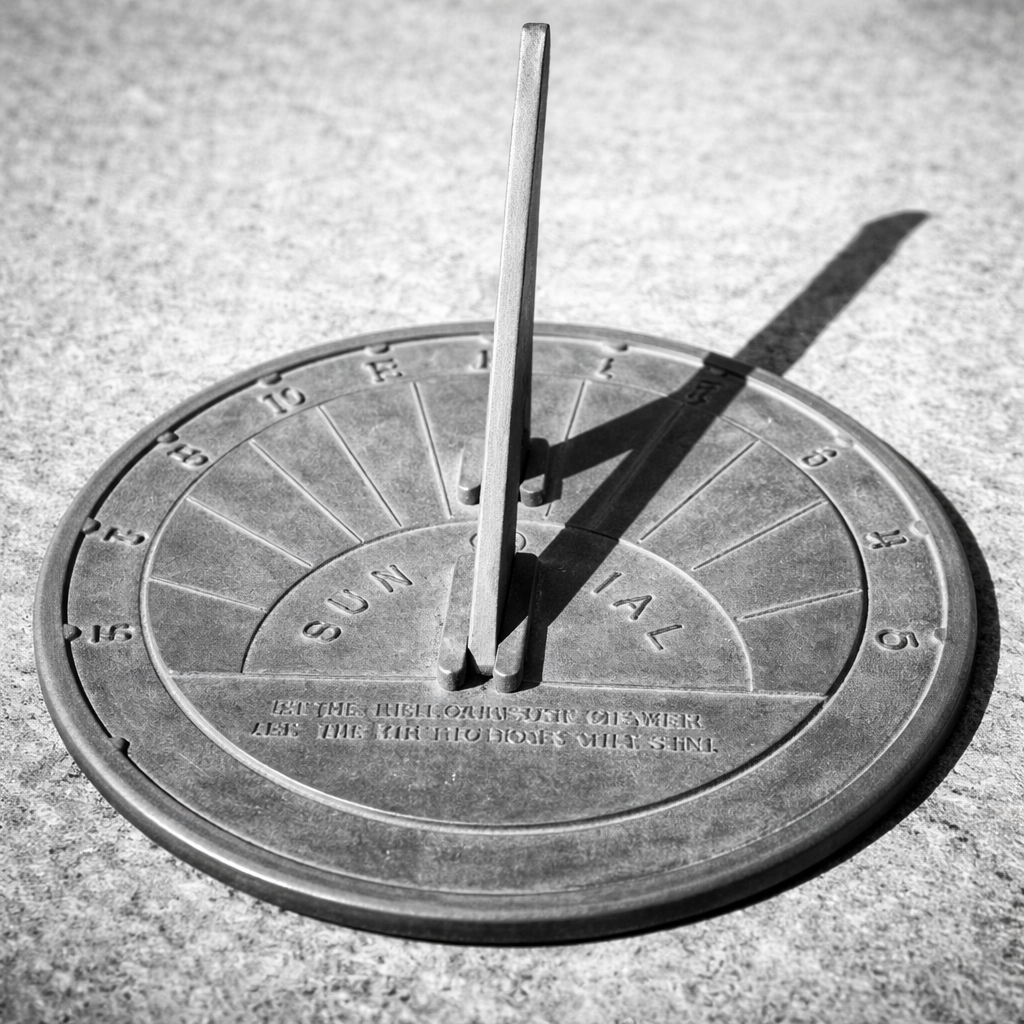
Other examples were also important, such as from birth to sunset. For this they measured time with the solar clock that is the Gnomon.
Gnomon - Greek sundial, carpenter’s square or shadow meter.
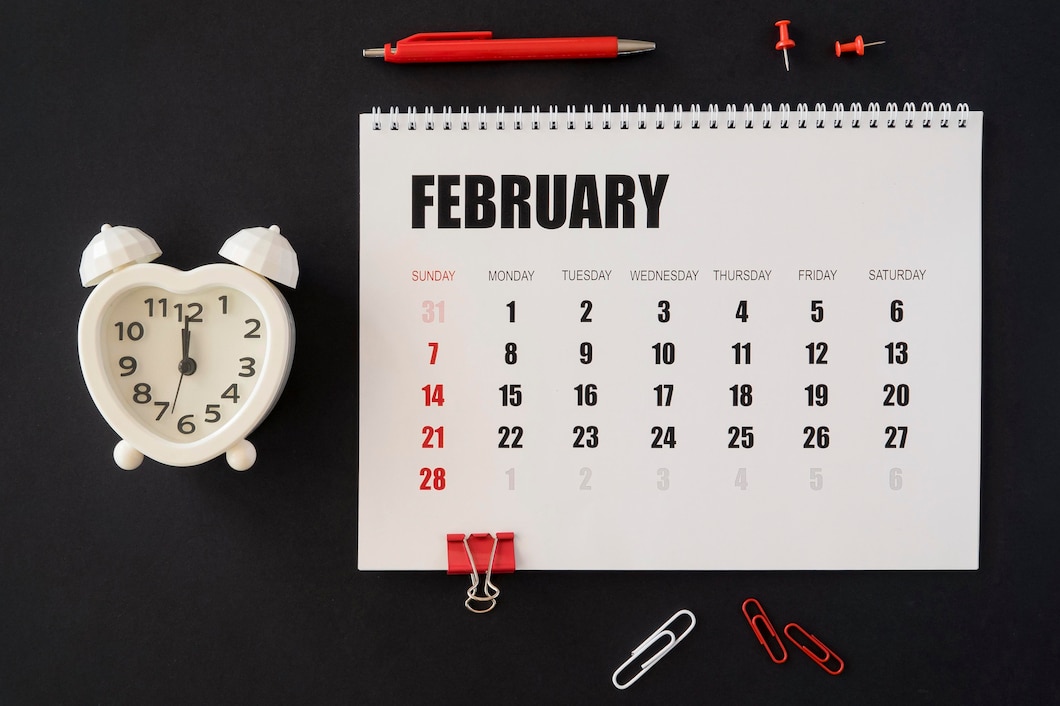
In current times, with calendars and watches, we have several units of time measurement such as:
- Clocks: hour, minute and second.
- Calendar: day, month, year.

In addition to these, we can mention derivatives of days such as:
- week: 7 days
- month: 28, 29, 30 or 31 days
- year: 365 days plus approximately 5 hours (with these hours every four years 1 day is added to the month of February)
Derivatives of years:
- decade: 10 years
- century: 100 years
- millennium: 1000 years.
Degrees, Minutes and Seconds
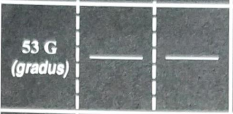
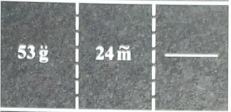
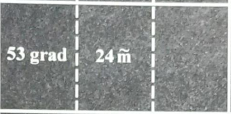
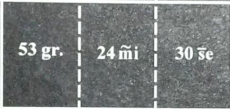
The main and applicable to everyday life are degrees (hour), minutes and seconds. Below we have some historical references for this type of measurement.
| Year | Author | Notation | References |
|---|---|---|---|
| 1473 | Johannes Regiomontanus |
|
Magister Calendar |
| 1500 | Several |
|
Pheludiensis Alexandrini |
| 1535 | Orantius Finaeus |
|
Practical Arithmetic |
| 1536 | Hudalrich Regius |
|
Utriusque Arithmetices Epitome |
| 1536 | Sebastianus Munsterus |
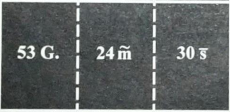
|
Organum Uranicum |
| 1539 | Gemma Frisius |
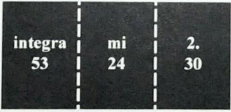
|
Arithmeticae Practicae |
| 1539 | Gemma Frisius |
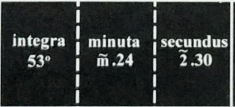
|
Arithmeticae Practicae |
| 1573 | Tycho Brache |
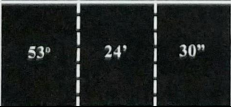
|
Opera Ommia Nova Stella |
Notation:
- Degrees (hour) $\circ$
- Minute $"$
- Second $'$
Time conversion
The next step is to show the time conversion:
$$1^\circ ~\text{ (hora)} = 60 " ~\text{(minutos)} = 3600 ' ~\text{(segundos)}$$$$1 " ~\text{(minuto)} = 60 ' ~\text{(segundos)}$$
Impa Portal: Time Measurement Units
This is a summary of the measurements, wait for the next posts.