
Euler's Eyes
2026-10-10
The life of Leonhard Euler
Timeline
- 1707Born on April 15, in Basel, Switzerland.
- 1720Enters the University of Basel, at 13 years old. He began studying with Johann Bernoulli.
- 1727Moves to the Academy of Sciences in Saint Petersburg, Russia.
- 1735Solve the Basel problem and analyze the Königsberg bridges.
- 1738He loses almost all vision in his right eye.
- 1741He goes to the Berlin Academy, at the invitation of Frederick II of Prussia.
- 1748Publishes the Introductio in analysin infiniterum, where $e^{ix} = \cos x + i \sin x$ appears.
- 1750In a letter to Goldbach, he states the formula for polyhedra $V - A + F = 2$.
- 1766Returns to Saint Petersburg, at the invitation of Catherine the Great. A cataract affects the left eye.
- 1771Cataract surgery fails and he is left practically blind. Keep working.
- 1783Dies in 18 September, in Saint Petersburg.
- Born and raised in Switzerland. At 13 he enters the university and starts Saturday lessons with Johann Bernoulli.
- He travels down the Rhine by boat, crosses Germany by coach and sets sail from Lübeck for Russia.
- He works at the Academy of Sciences. He solves the Basel problem, studies the Königsberg bridges and loses the sight of his right eye.
- At the invitation of Frederick II he moves to the Berlin Academy. He publishes the Introductio in analysin infinitorum and the formula $e^{ix}=\cos x+i\sin x$.
- He returns at the invitation of Catherine the Great. He goes almost blind but keeps dictating papers until his death in 1783.
Euler’s life
Basel and the Bernoullis
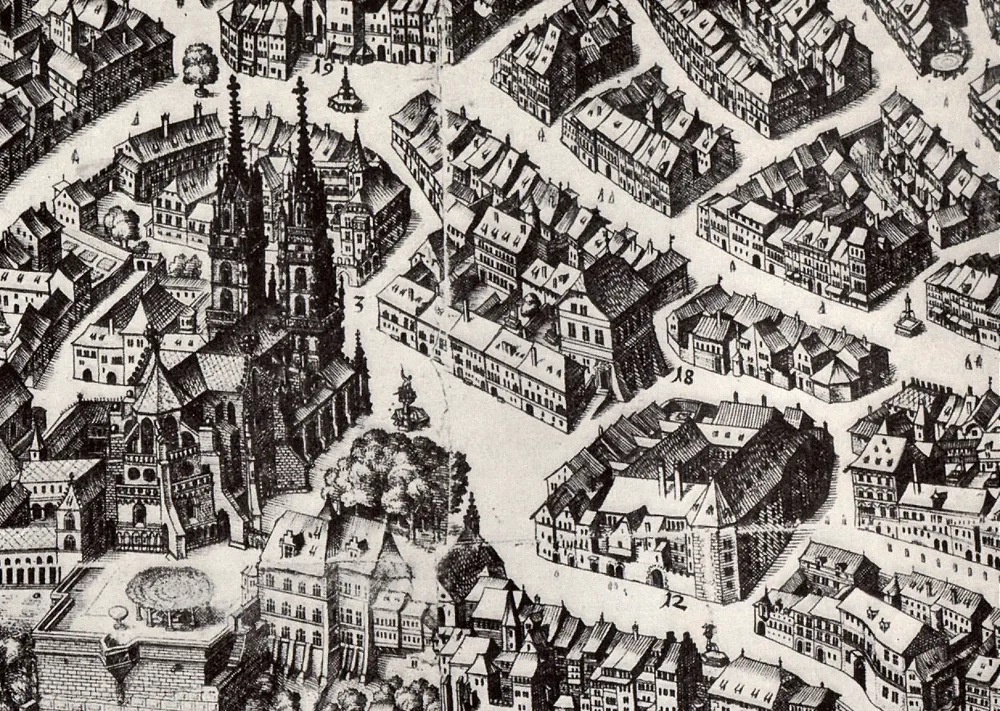
Euler was born in Basel, the son of Paul Euler, a Protestant pastor who had attended classes by mathematician Jakob Bernoulli. The father wanted his son to also be a pastor, and Leonhard entered the university at 13 years old to study philosophy and theology.
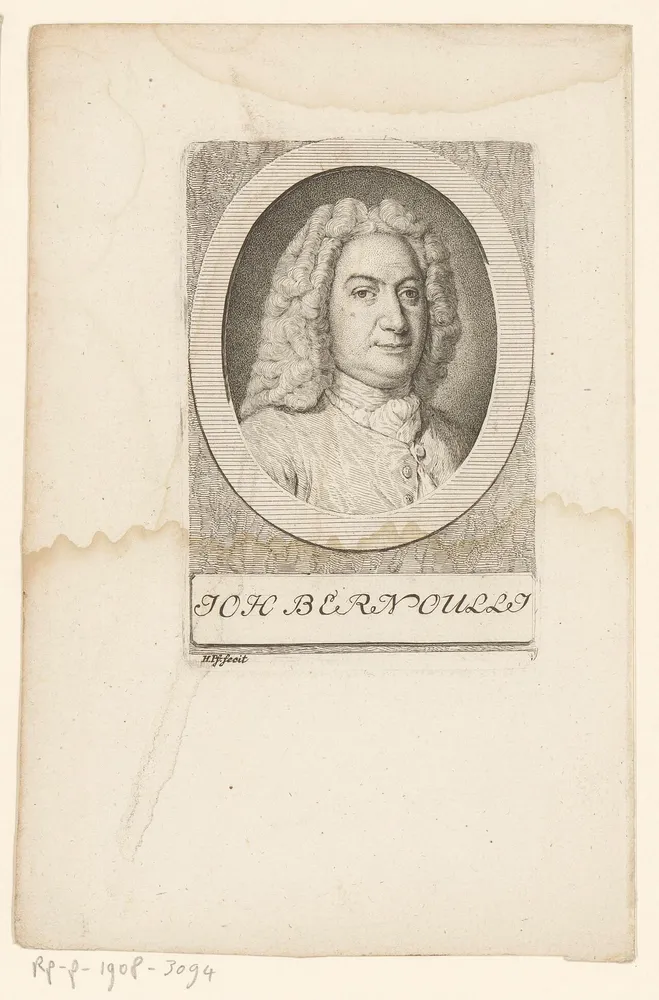
The talent appeared quickly. Johann Bernoulli, brother of Jakob and one of the greatest mathematicians of Europe, agreed to receive him on Saturdays to answer any questions. Bernoulli did not give private lessons complete: he indicated difficult books and let the young man manage, helping only when he got stuck true. It was Bernoulli who convinced his father that his son was destined for mathematics.
In 1727, Euler competed for the Paris Academy prize with a work on the best position of masts of a ship. It came in second place, which is curious for someone who had never seen one seagoing ship.
Saint Petersburg: the first Russian phase
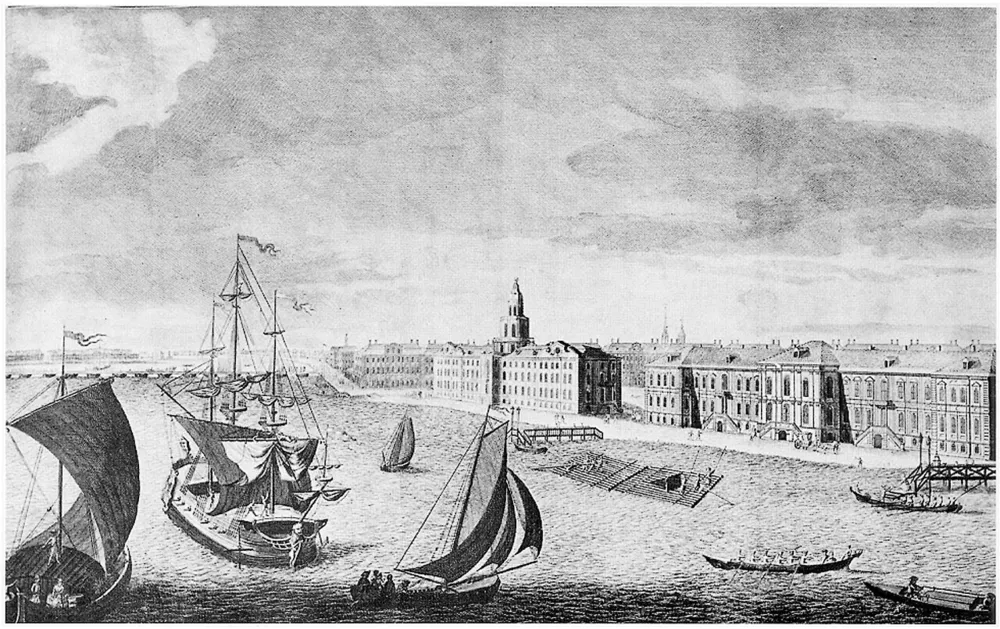
Without a place in Basel, Euler accepted in 1727 a position at the new Academy of Sciences in São Paulo. Petersburg, where Daniel and Nicolaus Bernoulli, Johann’s sons, already worked. It is said that he arrived to the city on the same day that Empress Catherine I died, which left the Academy suspended for a while.
In 1733 he took over the professorship of mathematics left by Daniel Bernoulli. The following year he married with Katharina Gsell. They had thirteen children, only five of whom survived childhood. Euler said that Some of his best ideas came with a baby on his lap and children playing around him.
It was during this phase that he resolved the Basel problem and the Königsberg bridges, which we will see forward. It was also at this stage that he lost vision in his right eye, around 1738. Himself He attributed the loss to the effort with the maps he drew for the Academy.
Berlin: twenty-five years of production
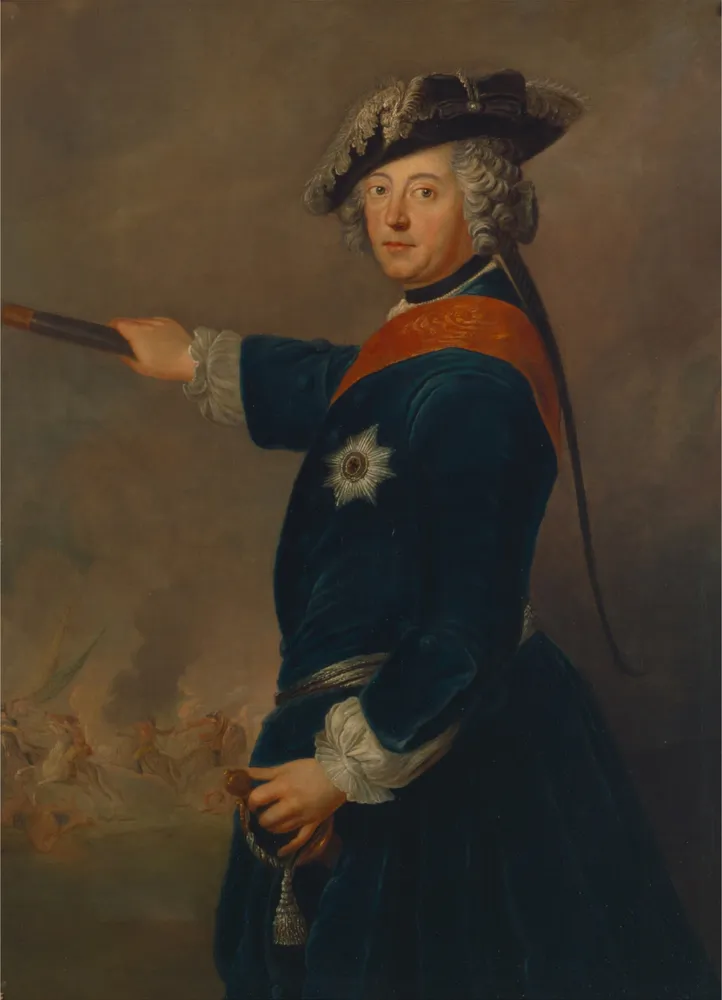
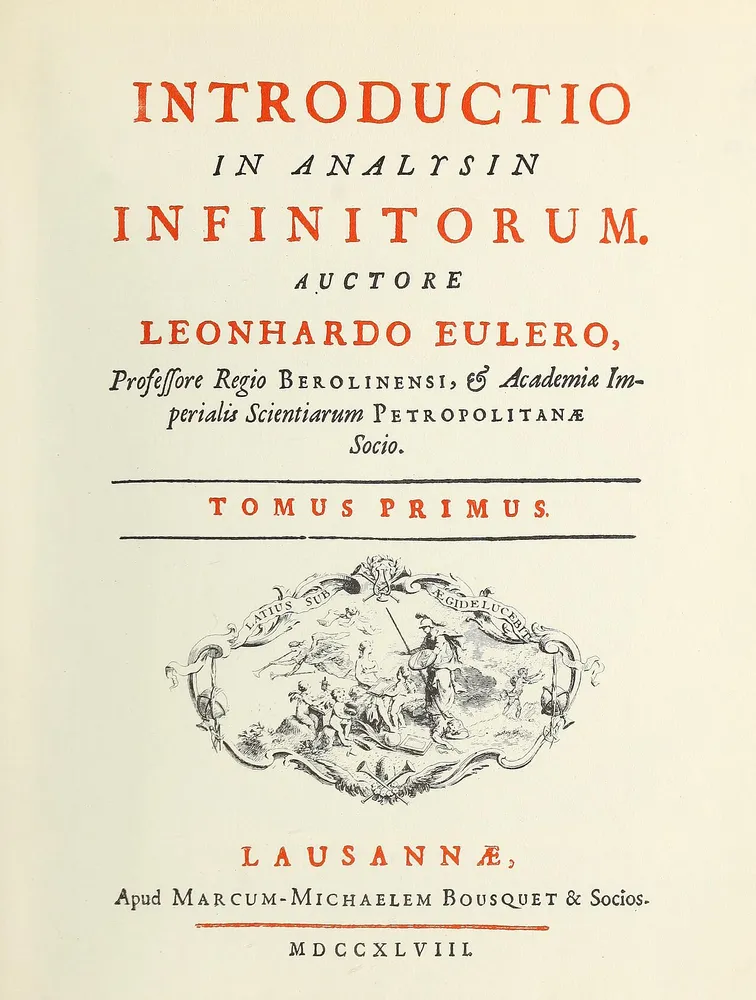
In 1741, Euler accepted Frederick II’s invitation to the Berlin Academy, where he stayed 25 years. There he wrote some of the books that organized calculus for subsequent generations, such as Introductio in analysin infiniterum (1748) and the Institutiones calculi differentialis (1755).
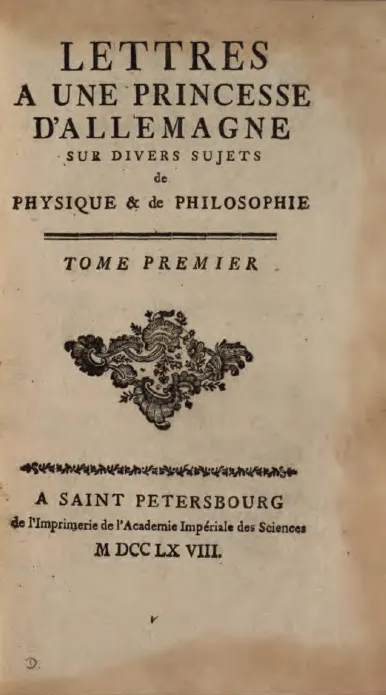
He also wrote more than 200 letters to a young German princess, explaining physics, astronomy, philosophy and mathematics for someone without training in the area. Published as Letters to a Princess of Germany, became a bestseller throughout Europe: one of the first great books on scientific dissemination.
Back to Russia: the work in the dark
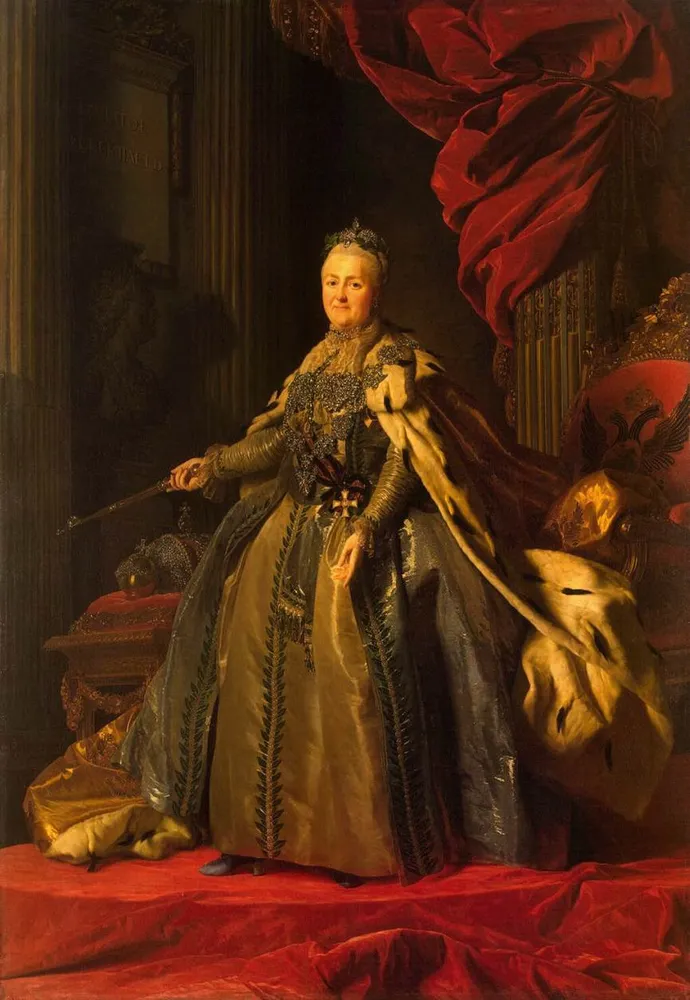
In 1766, Catherine the Great took Euler back to St. Petersburg. Shortly afterwards, a cataract it hit the eye that was still working. A surgery on 1771 was unsuccessful, and in the same year a fire destroyed his house.
What comes next is most impressive: about half of Euler’s work was produced after of that. With an extraordinary memory and mental calculation capacity, he dictated the work to children and assistants, such as Nicolas Fuss. In some years it reached an average of one article per week.
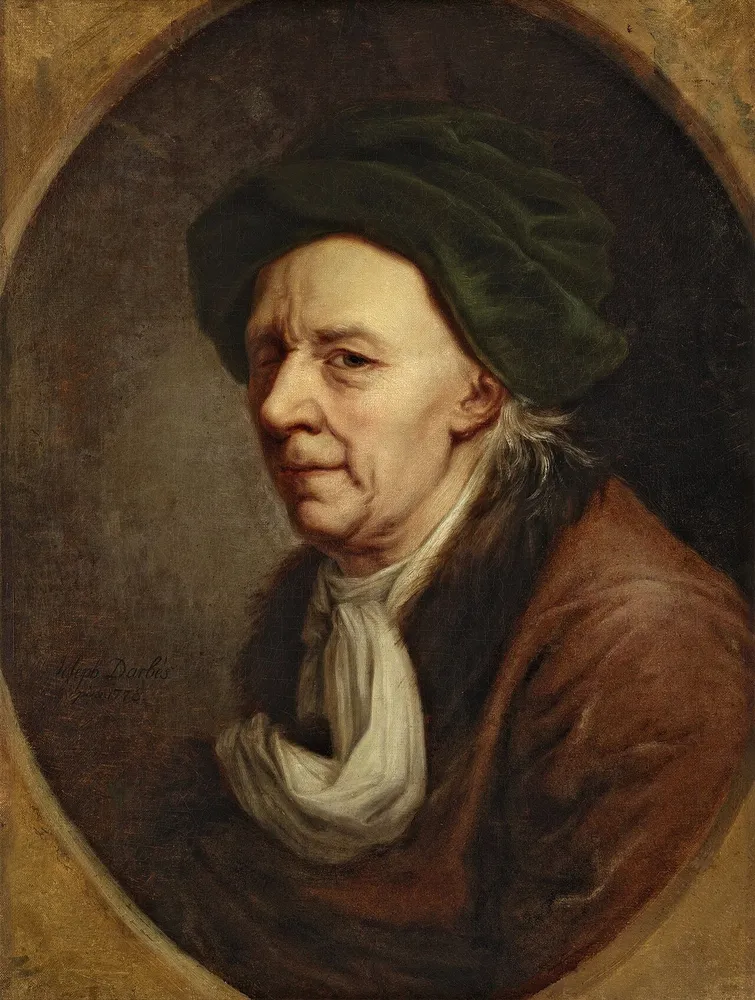
On 18 September 1783, after spending the morning calculating the rise of hot air balloons, new that year, and the orbit of the planet Uranus, discovered shortly before, had a stroke while He had tea with his grandson. The philosopher Condorcet summarized: “he stopped calculating and living”.
He left so much material that the Saint Petersburg Academy continued publishing his unpublished works for about 50 years. His complete works, the Opera Omnia, occupy dozens of volumes.
All topics by Leonhard Euler · The language that Euler left us →