Euler's Eyes
2022-10-17
Notion of Infinity
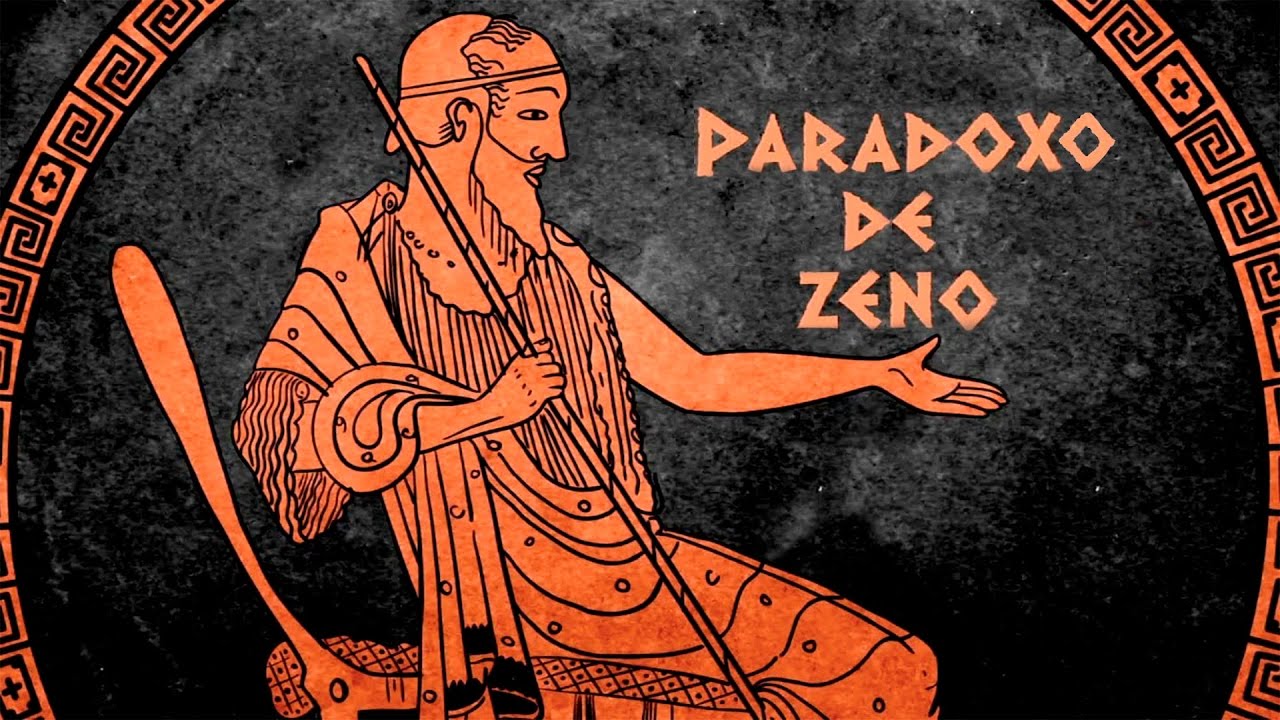
Infinity is an old discussion, around the 5th century BC with Zeno’s paradox. It was only during the Renaissance around the 15th century AD that this concept reappeared and in this post, we will talk about it. One of the applications is the law of never dividing by zero.
The Infinity
The concept of infinity was first studied by some famous mathematicians, such as:
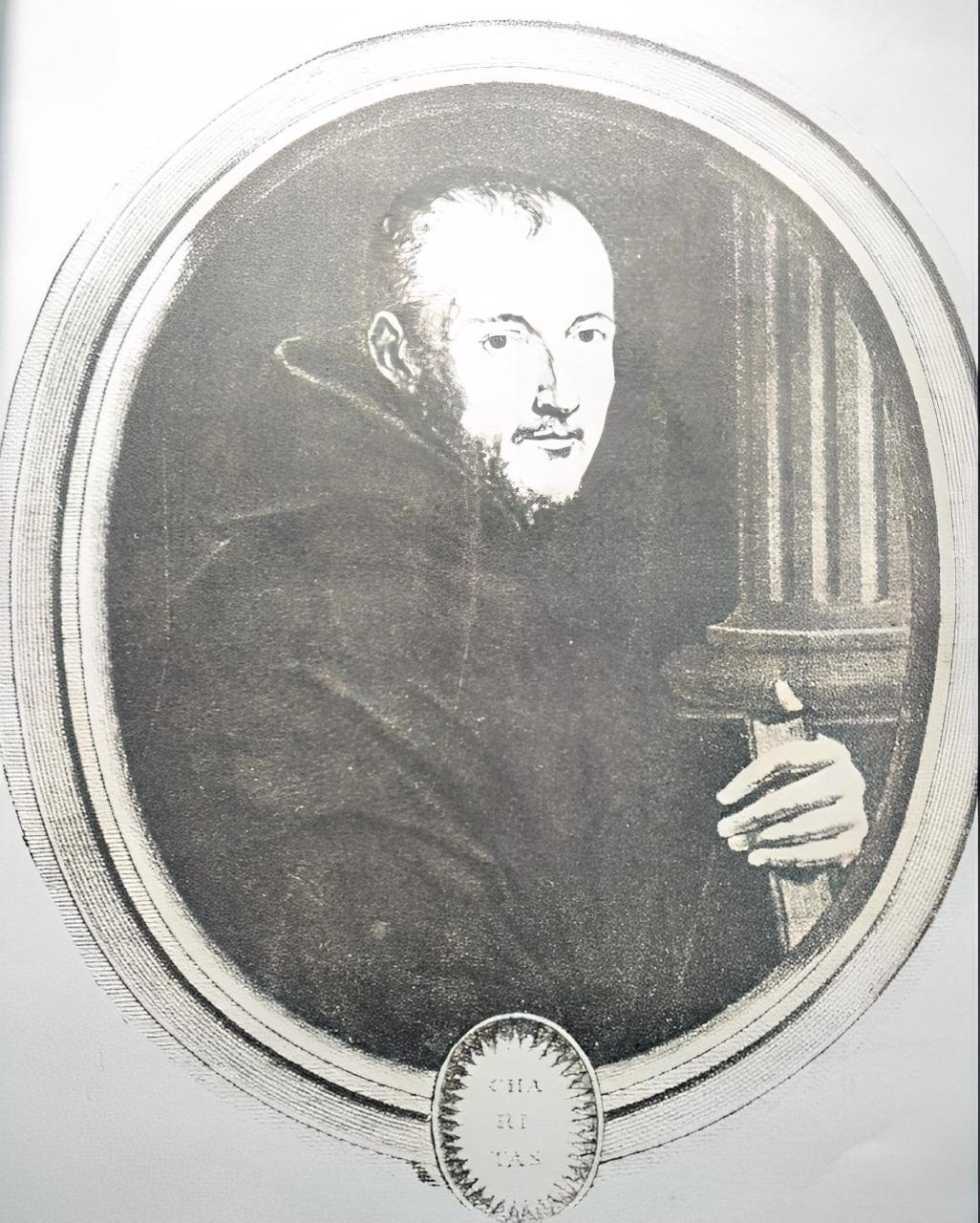
- Marin Mersenne, friend of Descartes;
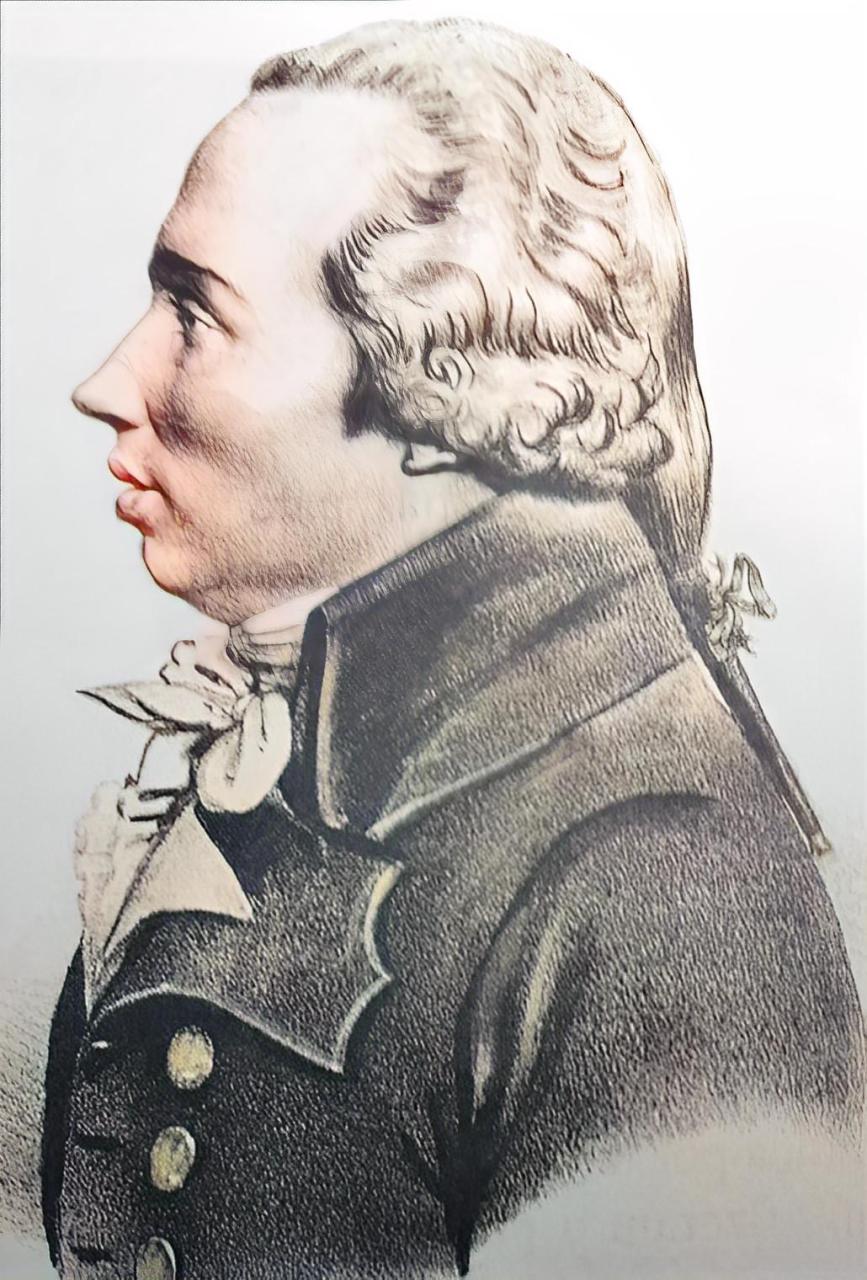
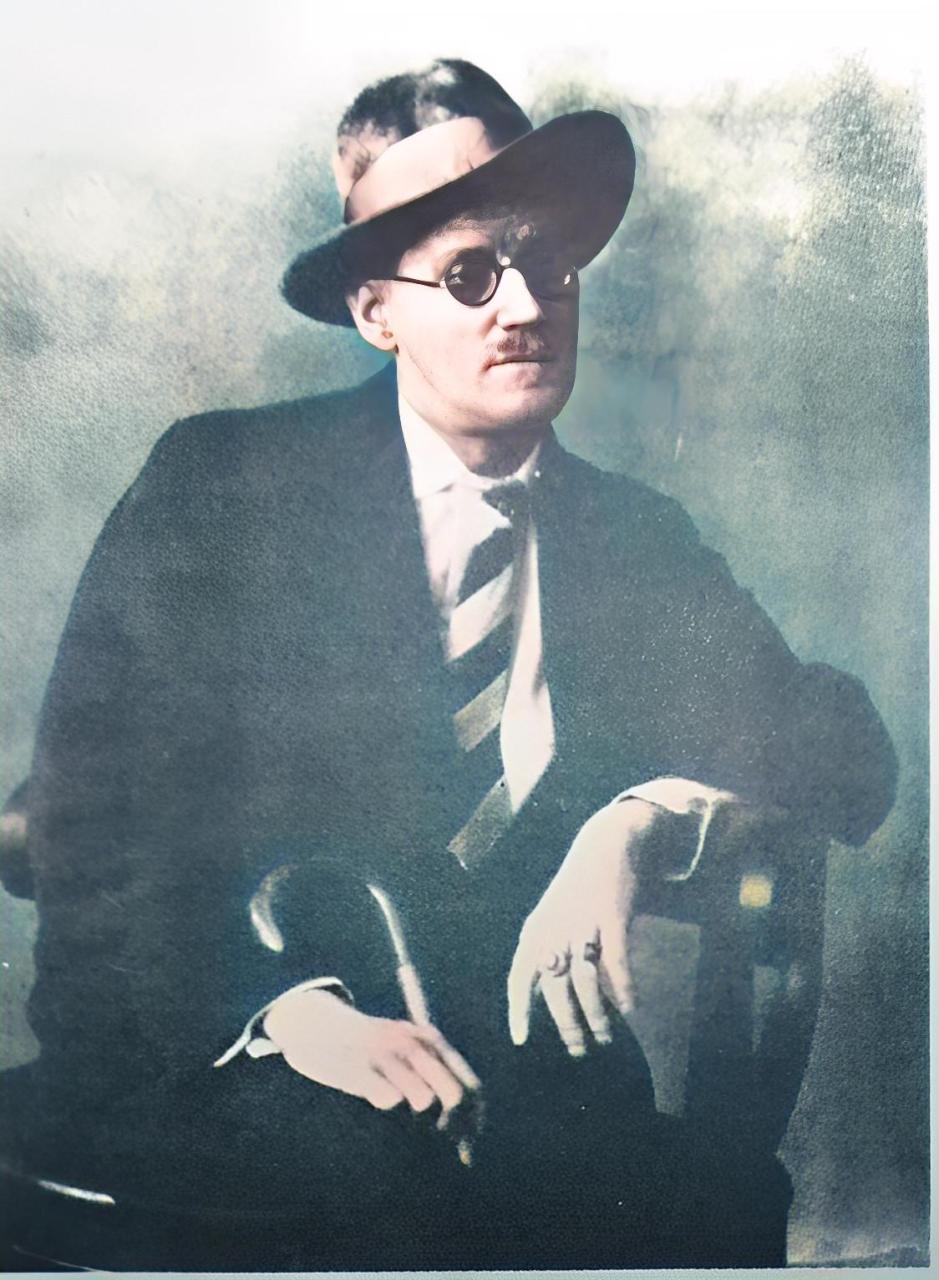
- Adrien-Marie Legendre; *James Joyce;
John Wallis, creator of the infinity symbol (\(\infty\)).
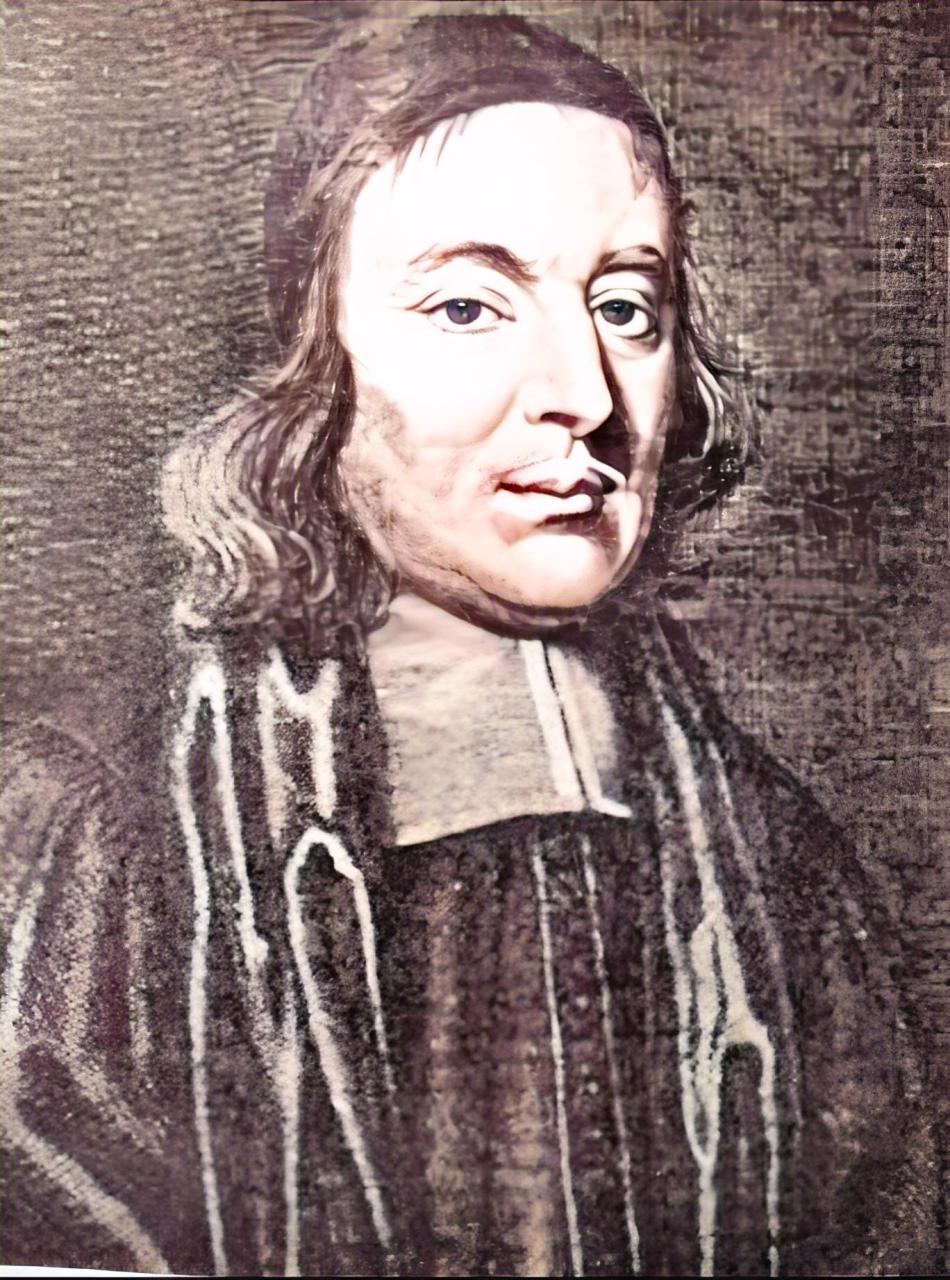
These famous mathematicians are arranged below, respectively:
| Marin Mersenne | Adrien-Marie Legendre |
|---|---|
|
|
| James Joyce | John Wallis |
|---|---|
|
|
Canon - Thou shalt never divide by zero
Canon according to its etymology is a rule, a model to be followed.

In this way, we will present the first rule that are applied in schools, but never explain the problem.
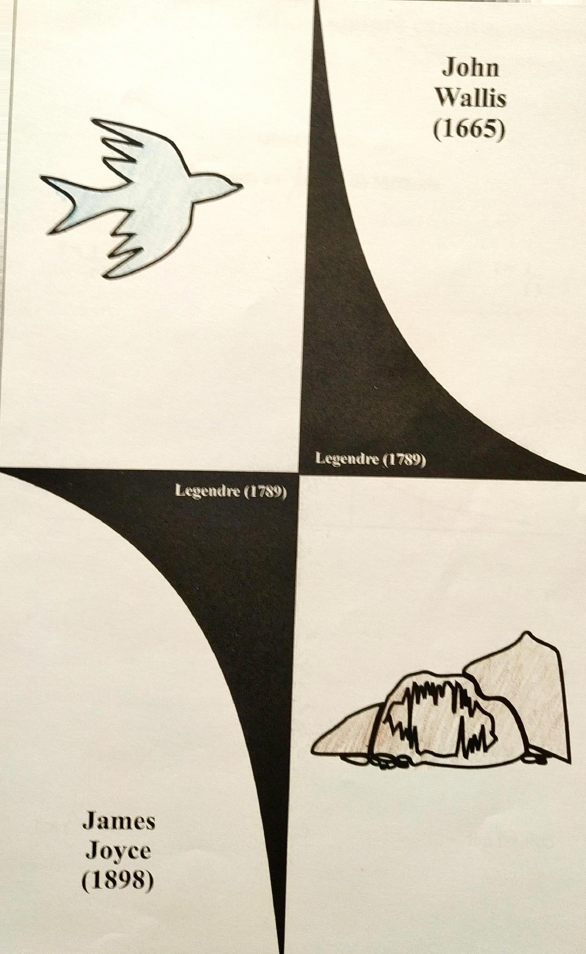
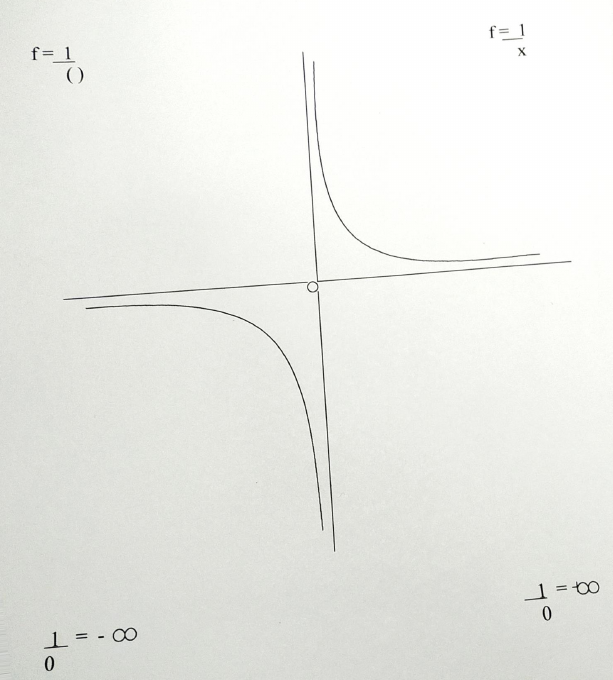
When we look at these graphikos created jointly by the geniuses Legendre, James Joyce and John Wallis, we identify a problem. The problem they observed This is when we divide by a very small number, tending to zero. When we divide unity by zero, we arrive at the concept of limit.
We have reached the Limite of Méthode
To understand the concept of this very important limit, we have to build our thinking. To do this, we will reduce the denominator in steps. In this example, Let’s deal with the case of positive numbers. Negative numbers are obtained in a similar way.
$$ f = \frac{1}{0,1}=10$$$$ f = \frac{1}{0,01}=100$$
$$ f = \frac{1}{0,001}=1000$$
$$ f = \frac{1}{0,0001}=10000$$
$$ f = \frac{1}{0,00001}=100000$$
$$ f = \lim_{x\rightarrow 0}\frac{1}{x}=+\infty$$
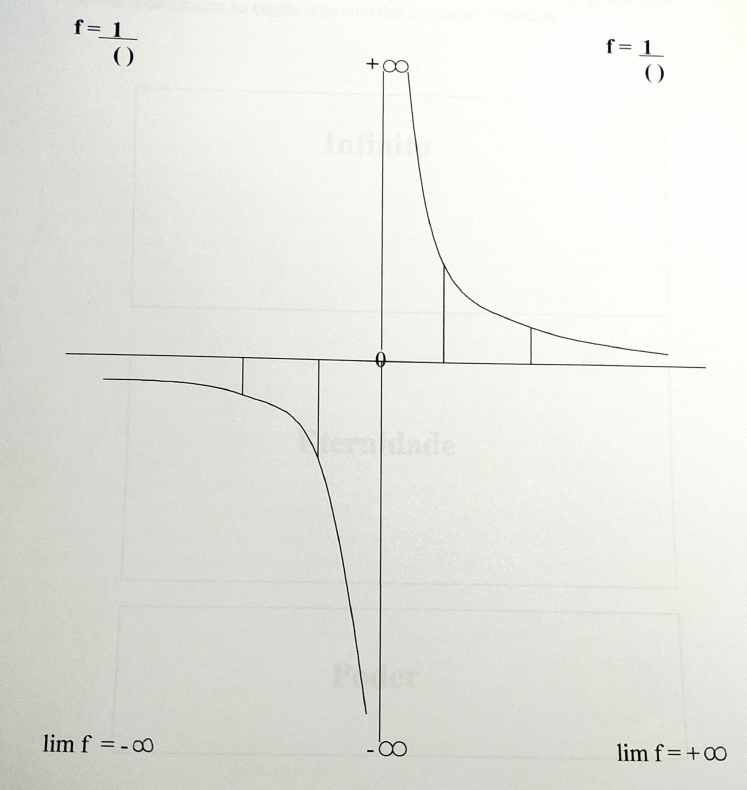
Cogito Ergo Sum - Object Deuxieme
INFINITE

ETERNITY

POWER