
Euler's Eyes
2026-10-10
History of Mathematics
Page 22 of 191
A reading of the Cogito: listening and speaking
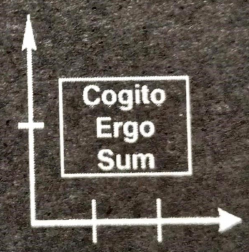
Here at Euler’s Eyes we like to read “I think, therefore I am” as a little machine. The thought hears something (in Latin, audire) and speaks another (fabulari). The rule that binds what What you hear is the function.
An example: “say what you hear twice”. Empty parentheses act as a waiting ear a number:
$$f = 2\,(\;\;) \qquad\text{hoje escrevemos}\qquad f(x) = 2x.$$
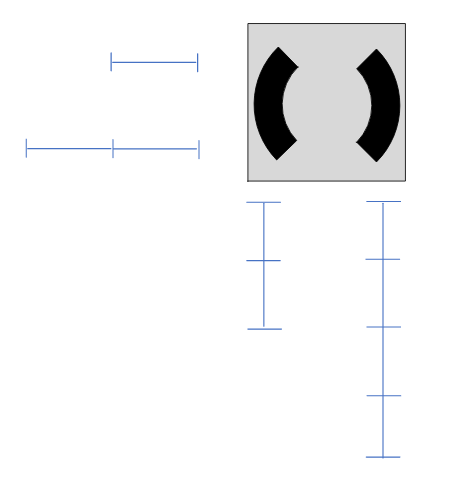
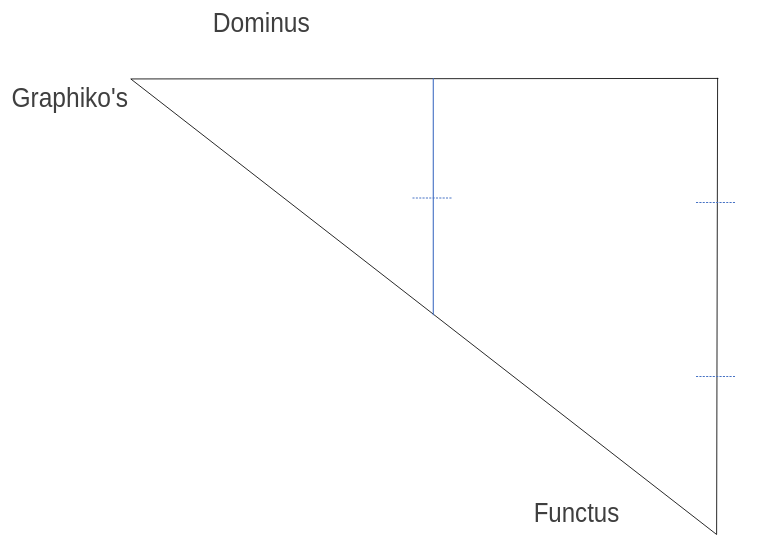
Try the machine with three rules: $f = 2(\quad)$, $f = (\quad) - 2$ and $f = [(\quad) - 1]\cdot[(\quad) - 3]$. Each number heard becomes a point $(x;\ f(x))$, and the set of points forms the graph, the graphiko’s of the rule:
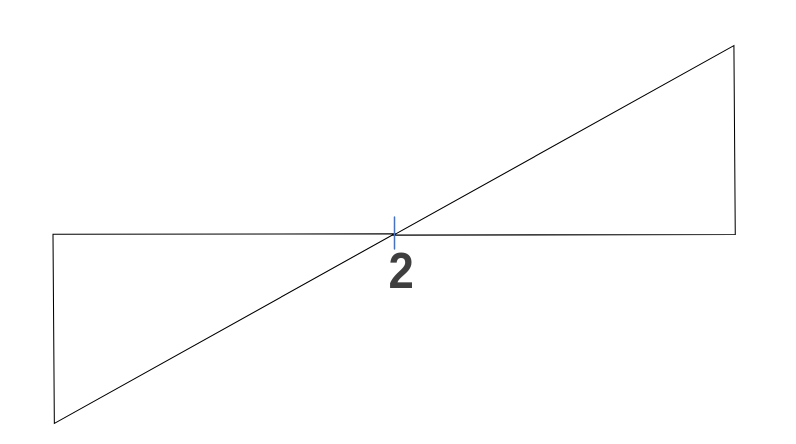
![The trace of f = [( ) − 1]·[( ) − 3], a parabola that cuts the axis at 1 and 3.](../../../../../posts/Math/functions/rich-content/images/matema1.png)
All topics by René Descartes · ← Descartes and the idea of function · Descartes and the problem of cannons →