
Euler's Eyes
2022-06-18
Mathematical Logic
In pure mathematics what we need to learn is to prove what is proposed. Every mathematician is like Saint Thomas, that is, we have to see it to believe it. However, there is a difference between proving and convincing.
What we basically use are writing techniques, more precisely, essay writing (or logical mathematical essay).
Any argument that is given to us, when that argument holds water, is usually that this person is trying to convince us that it is true.
In mathematics, when we prove something, such a space does not exist. In a demonstration (proof) we assume something as true (hypothesis), to consequently deduce other statements.
What is the difference between convincing and proving:
- Convincing is an attempt to prove that it is true and many steps are subject to discussion.
- in a demonstration, only what we assume to be true (hypothesis) is subject to this type of discussion.
Help us build the math website. Donate as much as you can.

Syllogism
Here we will learn the syllogism. To do this, we will use several examples to begin to enter the world of mathematical logic. For example:
Example 1:
- Every animal is mortal (hypothesis);
- The lion is male (hypothesis);
- Therefore, the lion is mortal (conclusion).
Here we will reference the Anime School Rumble, and we will pay homage to the author Jin Kobayashi.

| Harima and the Animals | Harima and the Animals 1 | Lion |
|---|---|---|

|

|

|
How can we interpret the construction? The first two statements are what we assume to be true, while the last is the conclusion. We can even discuss whether the hypotheses are true or not, but once we suppose the hypotheses to be true, there is no other conclusion other than that it is true too.
An important detail is that the syllogism is a method of constructing hypotheses. In the previous example, we can notice that we do not need to assume or know about the terms “male”, “mortal” or even lion to construct hypotheses.
By following these arguments, we can propose other attempts at proof.
Example 2: True
- No mice fly (hypothesis);
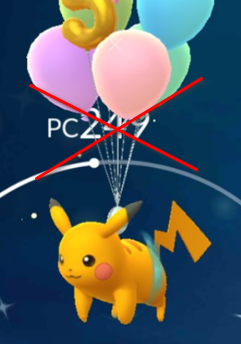
- Pikachu is an electric mouse (hypothesis);
- Therefore, Pikachu doesn’t fly (conclusion).
Below we have the figures and references to the game Pokémon GO and the Anime Pokémon. Most of the figures were taken from Freepik.
| Flying Mouse | Pikachu | Pikachu doesn’t fly |
|---|---|---|

|

|
|
Fake new mathematics
Example 3: False
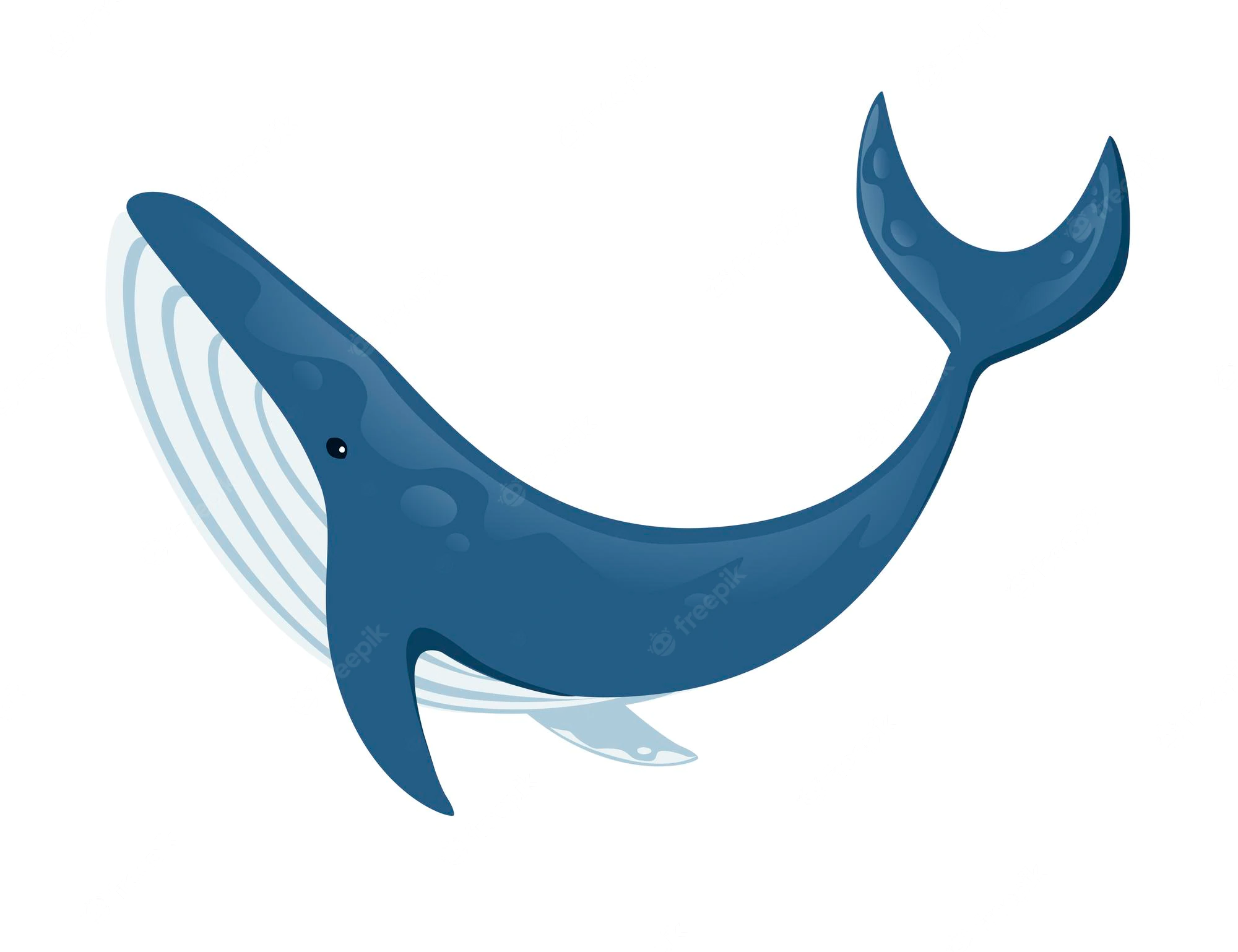
- All mammals are blue (hypothesis);
- Every cat is a mammal (hypothesis);
- Therefore, all cats are blue (conclusion).
| Blue Mammal | Mammal Cat | Cat in general |
|---|---|---|
|

|

|
The conclusion of this last example is false, but this is not a problem with syllogism development. The fact is that the first hypothesis is false. What can we conclude from this example?
One way or only way to obtain a false statement is to assume another false statement as true. This is in fashion, in Brazil the wave of “fake news” is in fashion. More specifically, we obtain as a conclusion a false statement (all cats are blue), because one of the hypotheses is false (all mammals are blue).
Although the conclusion is false, the construction of the syllogism is correct. In this case, we use two hypotheses and a conclusion that follows from them.
Construction of wrong syllogisms
Example 4:
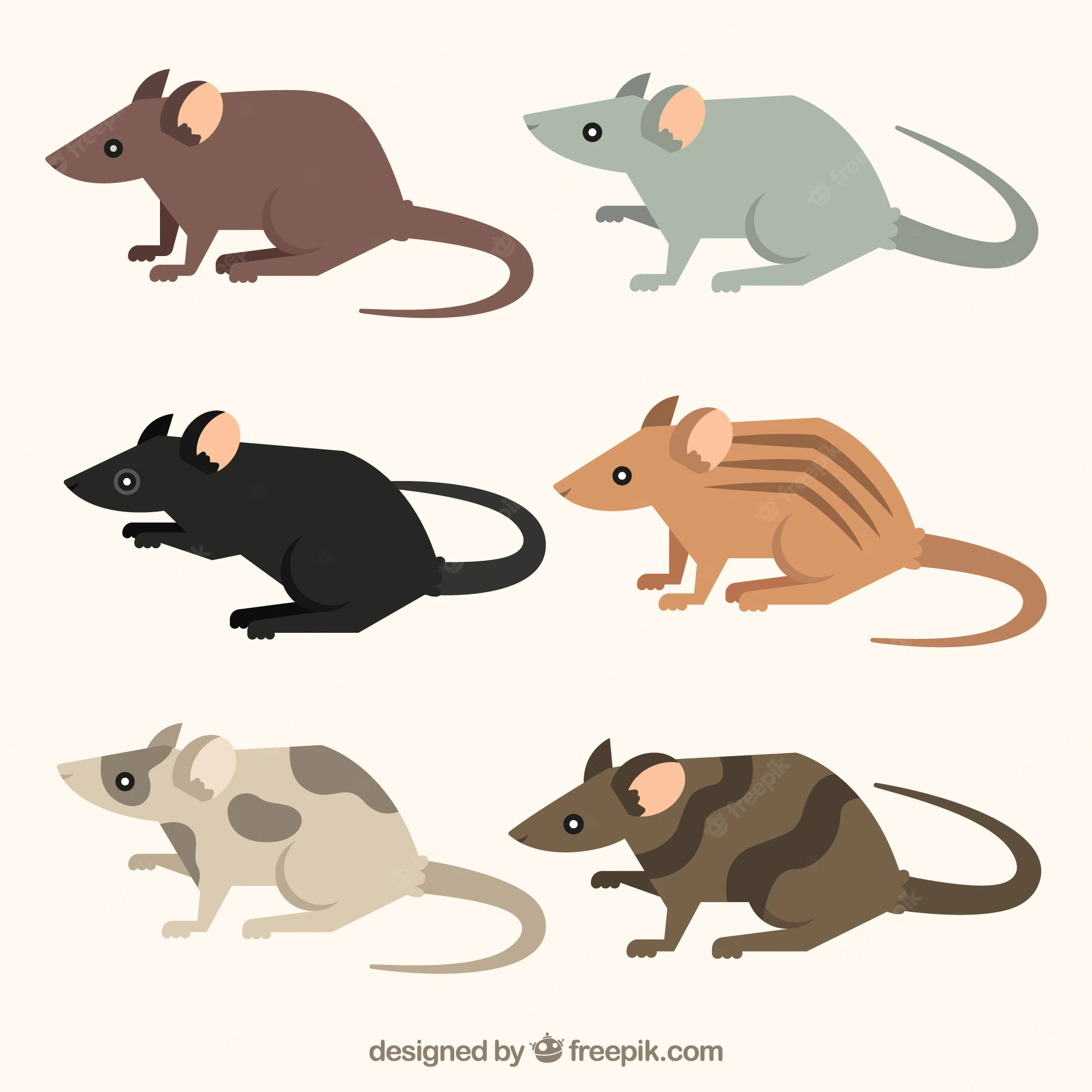
- Some mice are black (hypothesis);
- Pikachu is a mouse (hypothesis);
- Therefore, Pikachu is black (conclusion).
| Some black mice | Pikachu | Black Pikachu |
|---|---|---|
|

|

|
In this example, we try to derive from hypotheses that some mice are yellow, that Pikachu is a mammal, and that some certain thing is yellow, which is not true.
If we know that only some are yellow, when we take a particular example, we cannot conclude that it is necessarily yellow. The following sentences can be true simultaneously:
- Some mice are black
- Pikachu is a mouse
- Pikachu is not black
This case is different from example 2, where we derived it from the word “all” and a particular example had a certain property.
Example 5:
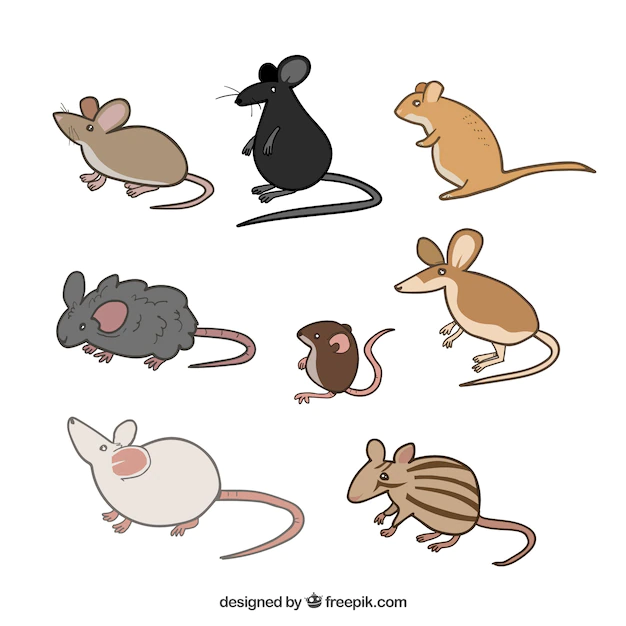
- Some mice are brown (hypothesis);
- Euler is a man (hypothesis);
- Therefore, Euler is a plant (conclusion).
| Some brown mice | Euler | Plants |
|---|---|---|
|

|

|
In this example of a syllogism, the hypotheses and conclusion say nothing about the others, that is, a tremendous mess. Sentences can be true or false together.
Sophisms
One of the problems with syllogisms is when we use them in everyday language. This can lead us to errors in constructing syllogisms. Below, we present some examples of sophistry.
Example 6:
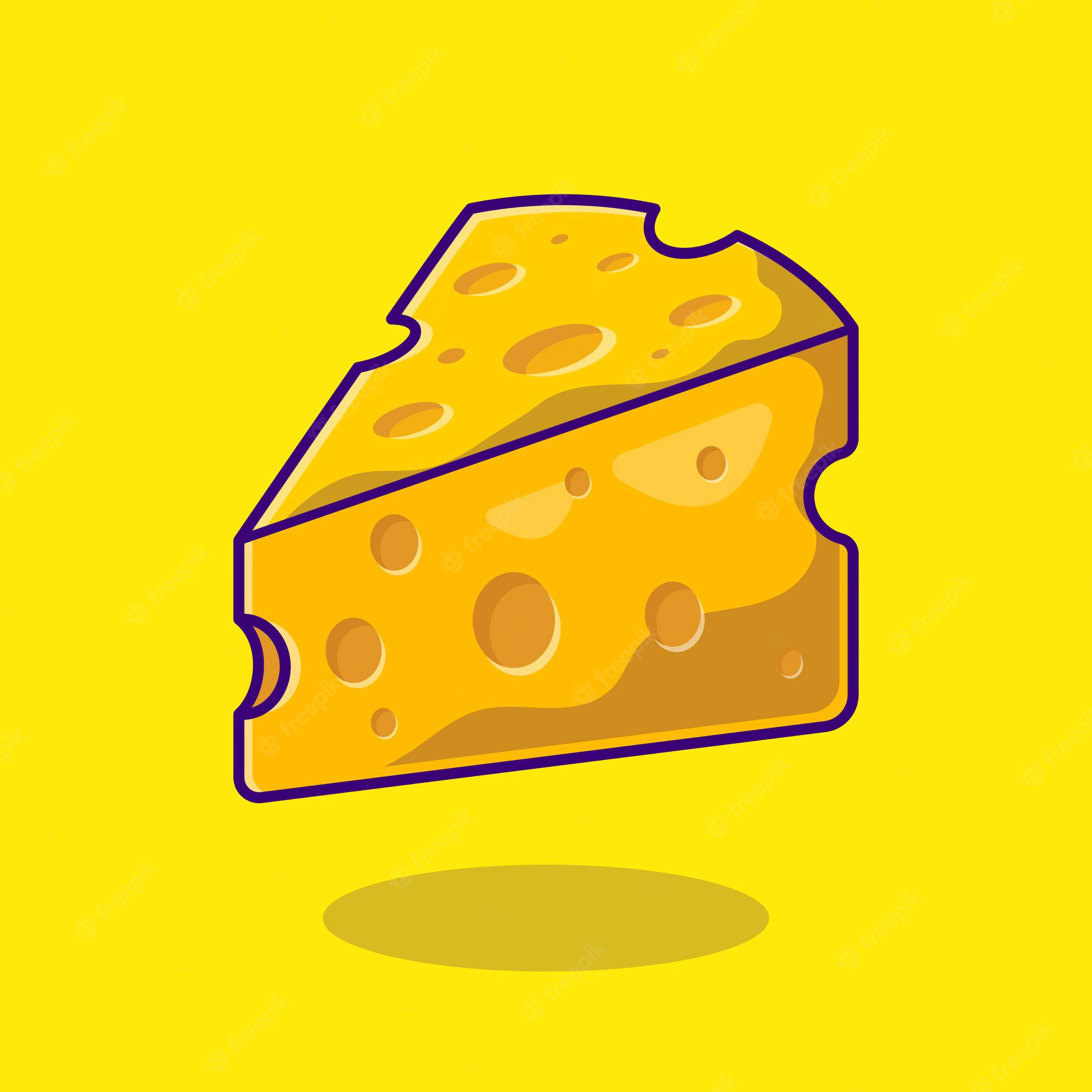
- The more Swiss cheese, the more holes there are in the cheese (hypothesis);
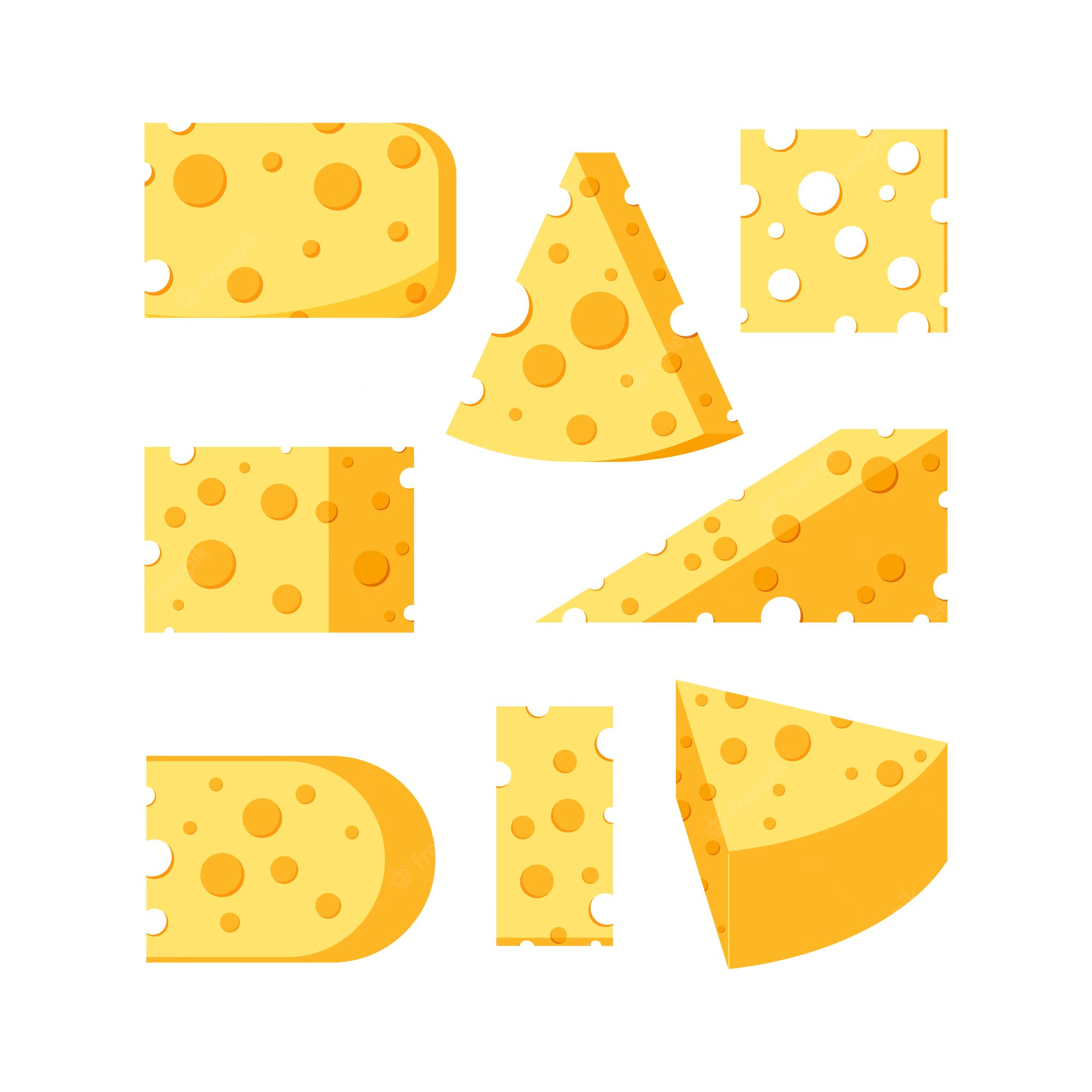
- The more holes in a piece of cheese, the less cheese in that piece (hypothesis);
- Therefore, the more cheese, the less cheese (conclusion).
| The more Swiss cheese, the more holes in the cheese | The more holes, the less cheese | The more cheese, the less cheese (What?) |
|---|---|---|
|
|
|
Example 7:
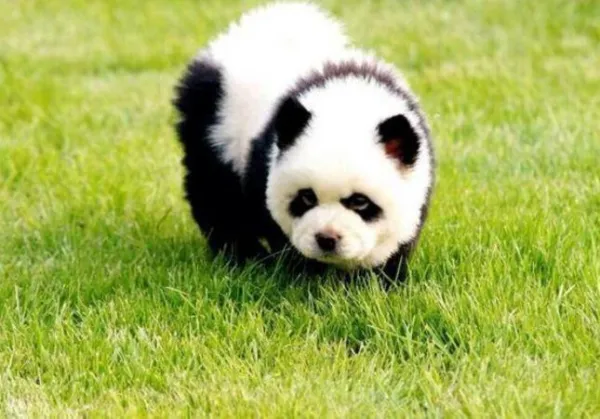
- Every rare dog is expensive (hypothesis);
- A cheap dog is rare (hypothesis);
- Therefore, a cheap dog is expensive (conclusion).
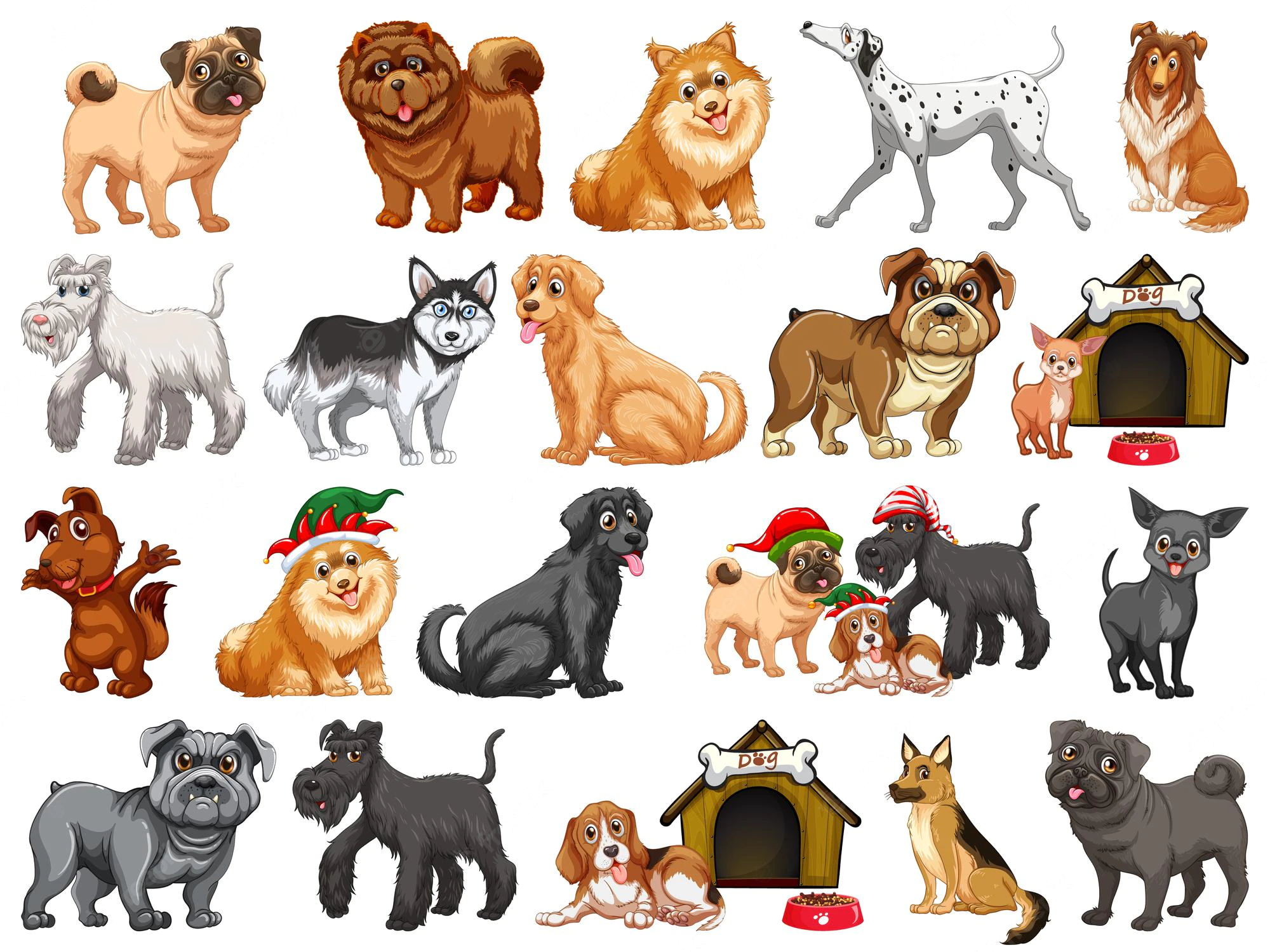
For rare dogs, we will give credit to the website Perito Animal. As for the most expensive dog in the world, we can mention the giant Tibetan Mastiff in first place in the ranking. Originating in China, this “teddy bear” is considered by many to be a status symbol, and its average price is R$ 1,5 million. The website Dog Club talks about the details.
| Rare Dog (Panda Dog) | Cheap dog | A cheap dog is expensive (What?) |
|---|---|---|
|
|

|
Thus, by definition, a sophistry is when the rules of logic have been followed, but the conclusion is clearly false. This type of language causes us logic problems. For example:
- more
- less
- expensive
- cheap
- mouse
- among others
Self-reference
Self-reference is a phenomenon in formal language, which consists of a clause or formula that we refer to itself, directly or through some intermediate clause or formula, or through some coding.
For mathematics, we get around this problem by using our own language, which leaves no room for interpretation. So, for mathematics, we will avoid colloquial language to develop demonstrations. Another type of sentence that we should avoid is sentences like “This statement is false”, which is an example of self-reference.
This sentence is an example that there is no way to say that the statement is true or false, because:
- if we consider it true, it is said to be false.
- if we consider it false, we say it is true.
| Good News | Fact or Fake? | News |
|---|---|---|

|
|

|
Challenge
- There are two ports:
- one that leads to heaven
- and another that leads to hell.
- Each door is protected by a guardian.
- One of them only tells the truth
- and the other just tells lies.
- You don’t know
- which door leads
- to the sky
- or to hell,
- don’t even know who’s talking
- true
- or lie.
- which door leads
- Not necessarily
- he who speaks lies guards the gate of hell,
- and he who speaks truth guards the gate of heaven.
- Starting from this, tell us how to proceed to pass through the door that leads to heaven.
- Therefore, you can ask the two guardians a single question.
- You only have one chance to ask.
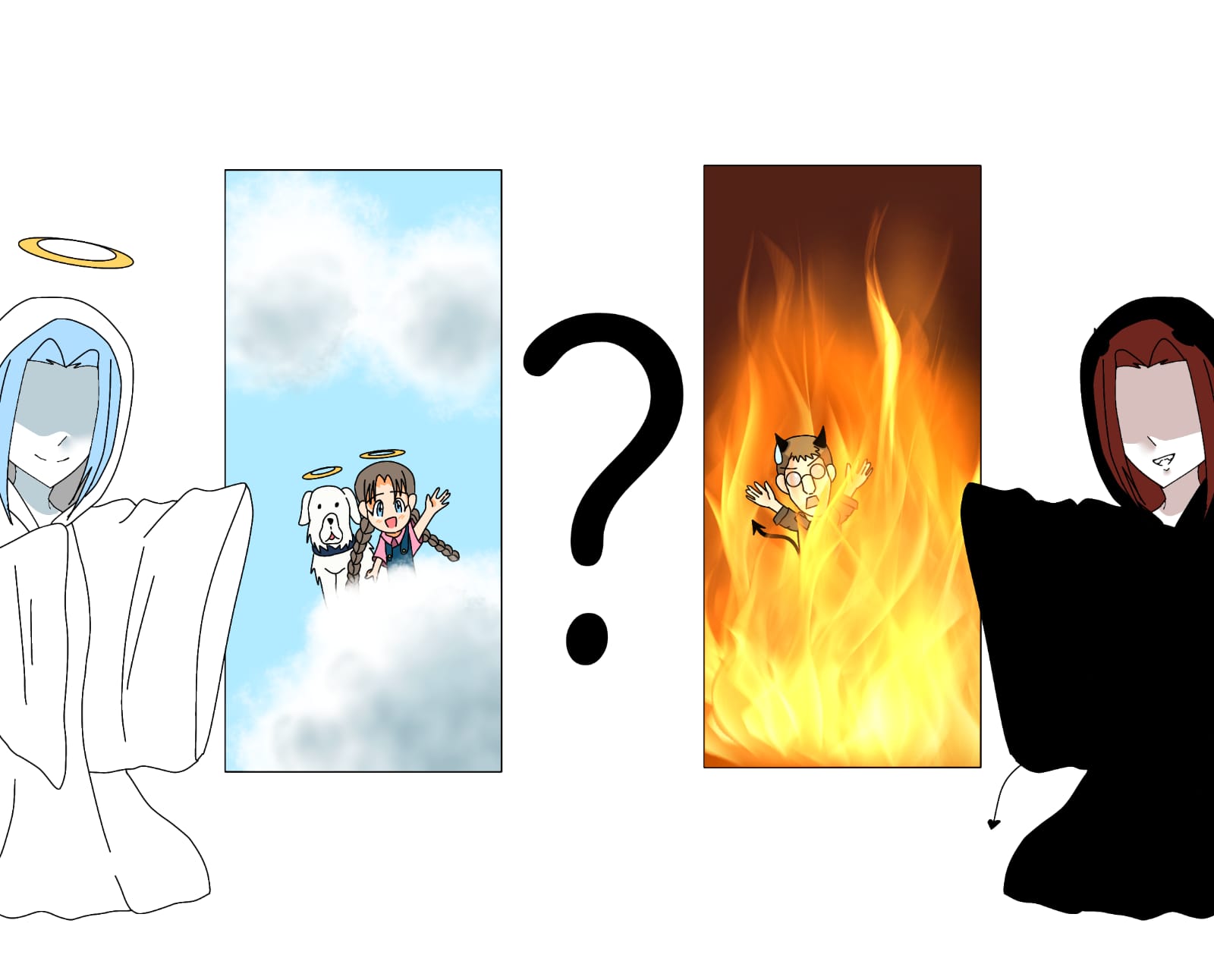
My suggestion is to ask either of them the following:
Which door will the other guardian show me if I ask him which door leads to heaven?
The two guardians will show the door to hell, because:
- Ask the guardian who speaks the truth:
- Like the guardian who speaks lies will show you the door to hell, because if you ask about heaven he will answer with a lie
- then the one who speaks the truth will really show you the door to hell.
- Asking the one who speaks the lie:
- As the guardian who speaks the truth will really show you the door to heaven, as this guardian will show the opposite of the answer,
- then it will also show the gate of hell.
Therefore, you must enter through the door opposite to the ones the guardians pointed out.
In the next posts, we will continue the notions of logic. In this post, it was just an introduction.